
How Telemarketing Supports Business Outreach, Lead Generation, and Sales Communication
How Telemarketing Supports Business Outreach, Lead Generation, and Sales Communication
How Telemarketing Supports Business Outreach, Lead Generation, and Sales Communication | In today’s digital-first business landscape, many people assume that telemarketing has become obsolete due to the rise of digital marketing, social media, and marketing automation. However, this assumption is far from accurate. Many global organizations still rely on telemarketing as a key component of their sales strategy, particularly in business-to-business (B2B) markets, enterprise sales, and industries where purchasing decisions involve multiple stakeholders.

Unlike email campaigns or digital advertisements, telemarketing enables real-time, two-way conversations with potential customers. A single phone call allows businesses to understand customer needs, answer questions immediately, address objections, and identify sales opportunities that might otherwise go unnoticed through digital channels alone.
Modern telemarketing has also evolved significantly. It is no longer about making hundreds of cold calls without direction. Today, businesses combine customer data, Customer Relationship Management (CRM) platforms, sales automation, and behavioral insights to ensure every conversation is meaningful and aligned with the customer’s needs.
This article explores how telemarketing supports business outreach, lead generation, sales communication, and modern sales development while highlighting successful examples from some of the world’s leading companies.
What Is Telemarketing?
Telemarketing is a marketing and sales communication method that uses telephone conversations to engage with prospective and existing customers. While its primary goal may include generating sales, telemarketing also plays an important role in building relationships, conducting market research, collecting customer information, qualifying prospects, and supporting sales teams throughout the buying journey.
There are two primary types of telemarketing.
Outbound telemarketing involves proactively contacting potential customers to introduce products or services, schedule appointments, conduct surveys, or initiate sales conversations. This approach is commonly used to acquire new customers and generate qualified business opportunities.
Inbound telemarketing, on the other hand, focuses on handling incoming calls from customers seeking information, requesting consultations, or making purchases. It often works alongside customer service and inside sales teams to deliver a seamless customer experience.
Today, telemarketing has become an essential part of modern sales development, helping organizations nurture prospects before they enter the final stages of the sales funnel.
Why Telemarketing Still Matters in the Digital Age
Despite the rapid growth of digital marketing channels, telemarketing continues to offer unique advantages that online communication cannot fully replace. A live conversation creates a more personal experience, allowing businesses to build trust, understand customer concerns, and establish stronger relationships in a relatively short amount of time.
For organizations selling complex or high-value products—such as enterprise software, cloud services, consulting solutions, financial products, or industrial equipment—customers often require direct interaction before making a purchasing decision. Telemarketing provides that opportunity.
Another major advantage is immediate feedback. Sales representatives can quickly discover why a prospect is hesitant, identify pain points, and adjust their messaging accordingly. These insights often become valuable inputs for improving marketing campaigns and sales strategies.
Rather than replacing digital marketing, telemarketing complements it. Many companies generate leads through websites, webinars, downloadable resources, or social media campaigns, then use phone conversations to qualify those leads and move them further through the sales pipeline.
Key Insight: Modern telemarketing is most effective when integrated with digital marketing, CRM systems, and customer data rather than operating as a standalone sales channel.
The Role of Telemarketing in Business Outreach
Business outreach refers to the process of connecting with individuals or organizations that have the potential to become future customers. Its primary objective is to expand business networks, introduce products or services, and create opportunities for long-term partnerships.
Telemarketing is one of the most effective outreach methods because it enables real-time conversations. Unlike emails that may remain unread or digital ads that receive only a few seconds of attention, phone calls allow businesses to ask questions, gather information, and personalize their approach during the conversation.
For example, imagine a software company targeting small and medium-sized businesses. The telemarketing team first identifies companies within specific industries, then contacts decision-makers to introduce the solution, understand their current challenges, and offer a free product demonstration.
Although not every call results in an immediate sale, each interaction provides valuable insights into customer needs while building awareness and trust.
Business Outreach Best Practices
- Research the prospect before making the call.
- Personalize the conversation based on the prospect’s industry.
- Focus on understanding customer challenges rather than immediately pitching the product.
- End every conversation with a clear next step, such as scheduling a demo or follow-up meeting.
Telemarketing as a Lead Generation Strategy
One of telemarketing’s most valuable functions is lead generation. Rather than simply collecting contact information, effective lead generation focuses on identifying prospects who have genuine interest and potential purchasing intent.
Telemarketing teams often contact prospects generated through multiple channels, including webinars, website registrations, trade shows, referrals, purchased databases, or inbound marketing campaigns.
During the conversation, representatives ask strategic questions to better understand the prospect’s current situation, business objectives, decision-making process, and future investment plans.
For instance, a SaaS company may attract thousands of webinar attendees. While many participants are interested in the topic, only a portion are actively searching for a software solution. Through telemarketing, the company can identify those with immediate business needs, available budgets, and purchasing authority before passing them to the sales team.
This approach allows sales representatives to focus their efforts on opportunities with the highest probability of conversion.
Lead Qualification: Identifying High-Quality Prospects
Generating a large number of leads does not necessarily lead to higher sales. One of the biggest challenges for many sales organizations is spending too much time pursuing prospects who are not yet ready to buy.
This is where lead qualification becomes essential.
A widely adopted framework is BANT, which evaluates prospects based on four key criteria:
- Budget – Does the prospect have sufficient financial resources?
- Authority – Is the person involved in the purchasing decision?
- Need – Does the organization genuinely require the proposed solution?
- Timeline – When does the prospect plan to make a purchasing decision?
By qualifying leads early in the sales process, companies can allocate resources more effectively and significantly improve sales productivity.
Why It Matters: High-performing sales teams focus on quality rather than quantity. Prioritizing qualified prospects leads to better conversion rates and shorter sales cycles.
Sales Communication: Building Relationships Instead of Simply Selling
Effective telemarketing is built on meaningful communication rather than aggressive selling. Experienced sales professionals spend more time listening than talking because understanding customer challenges is the foundation of every successful sales conversation.
Instead of immediately promoting a product, telemarketers ask thoughtful questions that uncover customer needs and business priorities. This consultative approach creates trust while allowing representatives to position their solutions more effectively.
Several communication techniques are commonly used during telemarketing conversations.
Active Listening
Listening carefully helps representatives understand customer concerns while demonstrating empathy and professionalism.
Discovery Questions
Rather than delivering a scripted sales pitch, successful telemarketers ask open-ended questions such as:
- How does your company currently handle this process?
- What are your biggest operational challenges?
- What improvements are you planning this year?
These questions encourage meaningful discussions while revealing valuable business insights.
Objection Handling
Customer objections should be viewed as opportunities rather than obstacles.
For example, if a prospect believes the solution is too expensive, an experienced representative focuses on long-term value, including operational efficiency, cost savings, productivity improvements, or return on investment, rather than immediately offering discounts.
Building a Structured Call Strategy
Organizations with consistently high conversion rates rarely rely on improvisation. Instead, they implement structured call frameworks that guide representatives through every conversation while still allowing flexibility.
A typical call structure includes:
- Preparation – Research the prospect and define the call objective.
- Opening – Build rapport and establish a positive first impression.
- Discovery – Understand customer needs through targeted questions.
- Solution Presentation – Explain how the solution addresses specific challenges.
- Objection Handling – Address concerns professionally and confidently.
- Closing – Agree on the next step, such as a demonstration or proposal.
- Follow-Up – Maintain communication until the buying decision is made.
Following a structured process improves consistency, customer experience, and overall sales performance.
Technology That Powers Modern Telemarketing
Technology has transformed telemarketing into a highly measurable and data-driven sales function. Today’s organizations rely on various tools to improve productivity and customer engagement.
Some of the most commonly used technologies include:
- Customer Relationship Management (CRM) systems for managing customer interactions.
- Auto Dialers to increase calling efficiency.
- Call Recording for coaching and quality assurance.
- AI Call Analytics to analyze conversations and identify performance opportunities.
- Sales Dashboards for monitoring key performance metrics in real time.
These technologies enable businesses to maintain detailed customer histories while ensuring smooth collaboration across marketing, sales, and customer success teams.
Measuring Telemarketing Success
Successful telemarketing programs rely on measurable performance indicators rather than simply counting the number of calls made.
Common Key Performance Indicators (KPIs) include:
| KPI | Purpose |
|---|---|
| Contact Rate | Measures how many prospects were successfully reached. |
| Appointment Rate | Tracks meetings or product demonstrations scheduled. |
| Conversion Rate | Measures how many prospects become customers. |
| Follow-Up Rate | Evaluates consistency in nurturing prospects. |
| Revenue Generated | Measures telemarketing’s contribution to business revenue. |
Regular KPI analysis helps organizations refine their outreach strategies and continuously improve performance.
Case Studies: Global Companies That Excel at Telemarketing
Salesforce
Salesforce has built one of the world’s largest inside sales organizations. By combining telemarketing with CRM technology, lead scoring, and customer analytics, the company ensures every prospect receives a personalized sales experience.
Its Business Development Representatives (BDRs) qualify leads, understand customer requirements, and schedule demonstrations before transferring opportunities to Account Executives.
Key Takeaway: Data-driven telemarketing significantly improves prospect quality and sales efficiency.
HubSpot
Although HubSpot is best known for inbound marketing, telemarketing remains an important part of its sales process. After prospects download eBooks, attend webinars, or complete website forms, Sales Development Representatives contact them to better understand their needs and determine whether they are ready for the next stage of the buying journey.
Key Takeaway: Telemarketing becomes significantly more effective when combined with inbound marketing strategies.
Dell Technologies
Dell pioneered direct sales by allowing customers to purchase customized computers through phone consultations. Telemarketing representatives guided buyers through hardware configurations, recommended complementary products, and built long-term customer relationships.
Key Takeaway: Telemarketing can deliver personalized consulting rather than simply processing sales.
IBM
IBM integrates telemarketing into its account-based selling strategy. Representatives identify target organizations, connect with decision-makers, and arrange meetings between prospects and technical consultants or account managers.
Key Takeaway: Telemarketing is particularly effective for enterprise and high-value B2B sales.
Oracle
Oracle’s Business Development Representatives focus on prospecting, qualifying opportunities, and connecting high-quality leads with Account Executives. This model has become a benchmark for many Software-as-a-Service (SaaS) companies.
Amazon Web Services (AWS)
AWS uses a consultative telemarketing approach to educate organizations about cloud solutions, recommend appropriate services, and guide customers through complex purchasing decisions.
Rather than pushing products, AWS focuses on helping customers identify the best solution for their business objectives.
Telemarketing Best Practices
Organizations seeking to maximize telemarketing performance should consider the following best practices:
- Research prospects before initiating contact.
- Personalize every conversation instead of relying entirely on scripts.
- Listen more than you speak.
- Record customer interactions within the CRM.
- Follow up consistently throughout the buying journey.
- Focus on creating value instead of aggressively selling.
Successful telemarketing is measured not by the number of calls completed, but by the quality of conversations and the strength of customer relationships established.
Common Telemarketing Mistakes to Avoid
Even experienced sales teams can reduce their effectiveness by making avoidable mistakes.
Some of the most common include:
- Calling prospects without conducting prior research.
- Attempting to sell immediately without understanding customer needs.
- Reading rigid scripts that sound unnatural.
- Failing to actively listen during conversations.
- Neglecting follow-up activities.
- Not documenting customer interactions in the CRM.
Avoiding these mistakes can significantly improve customer experience while increasing conversion rates.
Telemarketing continues to play a valuable role in modern sales and business development. When combined with customer data, CRM systems, digital marketing, and structured communication strategies, telemarketing enables organizations to expand business outreach, generate qualified leads, accelerate sales cycles, and build long-term customer relationships.
The success of companies such as Salesforce, HubSpot, Dell Technologies, IBM, Oracle, and Amazon Web Services demonstrates that telemarketing is no longer simply about cold calling. Instead, it has evolved into a strategic communication channel focused on understanding customer needs, delivering personalized solutions, and creating meaningful buying experiences throughout the customer journey.
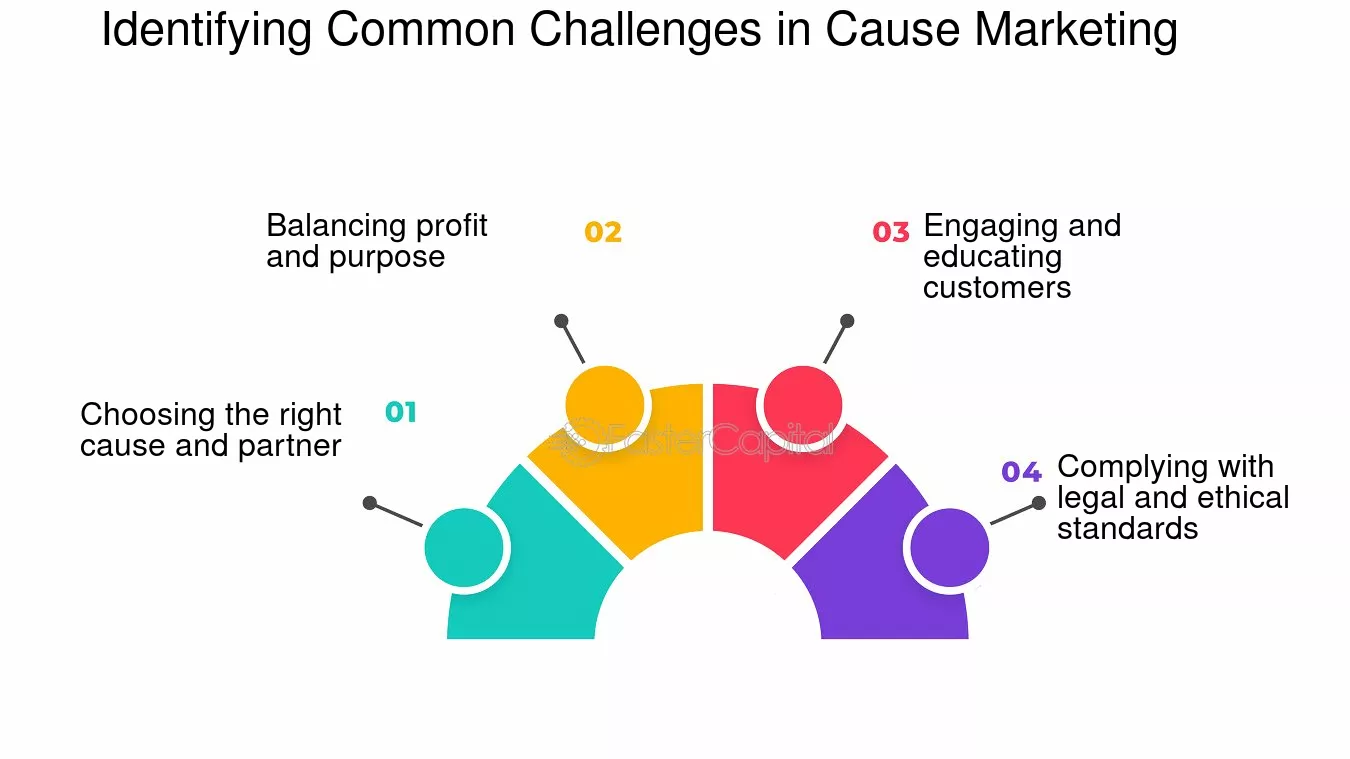
Overcoming Common Challenges in Telemarketing
Overcoming Common Challenges in Telemarketing – Telemarketing has been a core strategy for businesses for decades. It’s a direct way to connect with potential clients, explain your services, and drive sales. But anyone who has worked in telemarketing knows it comes with unique challenges. From rejection to data quality issues, telemarketers often face hurdles that can make success feel elusive. The good news is that with the right strategies, these challenges can be overcome.
Understanding the Main Challenges
Before we dive into solutions, it’s important to identify the most common challenges telemarketers encounter. These hurdles can range from external factors like customer behavior to internal ones like team motivation.
One of the biggest struggles in telemarketing is rejection. Unlike other marketing channels, telemarketers speak directly to individuals who may not be interested in your product or service. Hearing “no” repeatedly can affect morale and reduce productivity if not managed properly.
Another common challenge is lead quality. Calling outdated or irrelevant leads wastes time and resources. Without accurate data, even the most skilled telemarketer can struggle to achieve results.
Compliance and regulations also present difficulties. Telemarketing laws vary by country, and even minor violations can result in penalties. Understanding rules around call times, opt-outs, and consent is critical.
Finally, maintaining motivation and consistency in the team can be tough. Telemarketing requires energy, persistence, and a positive attitude, which can be challenging when faced with constant rejection or a slow sales cycle.
Building a Strong Foundation
Overcoming these challenges begins with preparation. A solid foundation can make a significant difference in both individual and team performance.
Start with high-quality leads. Investing in good data sources ensures your team isn’t wasting time on uninterested prospects. Segmenting your audience can also improve the relevance of your calls, making conversations more natural and increasing the chances of a positive outcome.
Training is equally important. Comprehensive training programs should not only focus on scripts but also on listening skills, objection handling, and adaptive conversation techniques. When telemarketers feel confident, they’re better equipped to handle rejection and pivot conversations effectively.
Effective Communication Strategies
At the heart of telemarketing is communication. How you connect with a prospect can determine the success of the call.
A friendly and conversational tone is essential. Prospects are more likely to respond positively when the call feels personal rather than robotic. Instead of sticking rigidly to a script, teach your team to adapt their pitch based on the conversation. This approach creates a more authentic interaction, which can improve engagement.
Another key strategy is active listening. Telemarketers should listen to the prospect’s concerns and respond thoughtfully. By acknowledging objections and providing relevant solutions, you not only build trust but also increase the likelihood of conversion.
Managing Rejection and Staying Motivated
Rejection is inevitable in telemarketing, but it doesn’t have to be discouraging. How a telemarketer handles “no” can make or break their success.
One approach is to reframe rejection. Instead of viewing it as failure, consider each “no” as a learning opportunity or a step closer to a “yes.” Maintaining a positive mindset helps telemarketers remain motivated and resilient.
Providing regular feedback and recognition is also important. Celebrate small wins, whether it’s scheduling a follow-up or successfully handling a tough objection. Positive reinforcement fosters a culture of perseverance and can reduce burnout.
Leveraging Technology
Modern telemarketing isn’t just about dialing numbers. Technology can be a powerful ally in overcoming common challenges.
CRM (Customer Relationship Management) systems help track interactions, manage follow-ups, and ensure leads are properly nurtured. Automated dialers can improve efficiency by reducing the time spent manually dialing numbers. Additionally, analytics tools allow managers to monitor performance and identify areas for improvement.
Technology also aids compliance. Features like automated opt-out management and call recording ensure that telemarketing campaigns adhere to regulations, reducing the risk of fines and reputational damage.
Continuous Improvement
Telemarketing is an evolving field. The strategies that work today may need adjustment tomorrow. Encouraging a mindset of continuous improvement ensures your team stays competitive.
Regular training sessions, performance reviews, and sharing best practices can boost team effectiveness. Encourage telemarketers to experiment with different approaches, test new scripts, and refine messaging based on what resonates most with prospects.
Feedback loops are particularly effective. By analyzing successful and unsuccessful calls, teams can identify patterns, optimize their approach, and gradually improve conversion rates.
Building Strong Customer Relationships
Beyond immediate sales, telemarketing is about creating relationships. Even if a prospect isn’t ready to buy, a positive interaction can leave a lasting impression. This opens doors for future opportunities, referrals, and brand loyalty.
Personalization is key. Tailoring your pitch to the prospect’s specific needs shows that you understand their situation and are not simply making a generic sales call. Over time, these genuine interactions can differentiate your brand and make future calls more effective.
Final Thoughts
Telemarketing comes with its challenges, but none are insurmountable. By focusing on quality leads, effective communication, motivation, technology, and continuous improvement, businesses can turn obstacles into opportunities.
Success in telemarketing isn’t just about numbers—it’s about creating meaningful connections, staying persistent, and constantly refining your approach. With the right mindset and tools, telemarketing can remain one of the most effective ways to grow your business, even in an age dominated by digital channels.
By taking these strategies to heart, companies can overcome common hurdles, enhance team performance, and ultimately drive sales growth in a sustainable and consistent way.