The Biggest Disadvantages of Telemarketing: Why People Hate Cold Calls

The Biggest Disadvantages of Telemarketing: Why People Hate Cold Calls | Telemarketing has been used by businesses for decades to promote products, generate leads, and reach potential customers directly. A simple phone call can sometimes create a valuable sales opportunity.

However, telemarketing also has a major problem: many people dislike cold calls.
Unexpected sales calls can interrupt people’s work, meals, family time, or personal activities. In some cases, repeated or aggressive calls can create a negative impression of the company behind them.
So, what are the biggest disadvantages of telemarketing?
From unwanted interruptions and low conversion rates to privacy concerns and negative brand perception, telemarketing comes with several challenges that businesses need to understand.
What Is Telemarketing?
Telemarketing is a marketing and sales method that uses telephone calls to communicate with potential or existing customers.
Companies may use telemarketing to:
- Generate new leads
- Promote products and services
- Conduct market research
- Schedule appointments
- Follow up with potential customers
- Sell products directly
- Contact existing customers
Telemarketing can involve both inbound and outbound calls.
Inbound telemarketing happens when customers contact a company after seeing an advertisement or receiving marketing information.
Outbound telemarketing involves a company contacting potential customers directly.
Cold calling is one of the most common forms of outbound telemarketing.
Why Do People Hate Cold Calls?
The biggest reason people dislike cold calls is simple: they are often unexpected.
A person may receive a call while working, driving, eating, relaxing, or spending time with family.
The caller may also be a complete stranger trying to sell something.
This can make the interaction feel intrusive.
People may also dislike cold calls because they often do not know where the caller obtained their phone number or why they were selected.
When calls happen repeatedly, frustration can increase quickly.
1. Telemarketing Can Be Intrusive
One of the biggest disadvantages of telemarketing is that it can interrupt people’s daily lives.
Unlike an email or online advertisement, a phone call demands immediate attention.
The customer must decide whether to answer, listen, or end the call.
If the timing is inconvenient, the experience can be frustrating.
This is particularly problematic when companies repeatedly contact people who have already shown no interest.
2. Cold Calls Often Have Low Conversion Rates
Another major disadvantage of telemarketing is the relatively low conversion rate associated with cold calling.
A company may have to contact a large number of people to find a small number of interested prospects.
Most people receiving a completely unexpected sales call are not actively looking for the product or service being offered.
This means sales representatives can spend a significant amount of time speaking with people who are unlikely to purchase.
For businesses, this can make cold calling expensive and inefficient.
3. Telemarketing Can Damage Brand Reputation
A poorly managed telemarketing campaign can hurt a company’s reputation.
If representatives are aggressive, misleading, or overly persistent, customers may develop a negative opinion of the brand.
Even if the product itself is good, a bad phone experience can cause potential customers to avoid the company completely.
This is one reason businesses need to prioritize customer experience instead of focusing only on the number of calls made.
4. People May Feel Their Privacy Is Being Invaded
Privacy is another major concern associated with telemarketing.
Customers may wonder how a company obtained their phone number and whether their personal information has been shared with other organizations.
Repeated calls can make these concerns even stronger.
Businesses need to handle customer information responsibly and follow the privacy and telemarketing laws that apply to their market.
Respecting customer preferences is essential for maintaining trust.
5. Telemarketing Can Be Expensive
Although making a phone call may appear inexpensive, large-scale telemarketing campaigns can require significant investment.
Businesses may need to pay for:
- Sales representatives
- Training
- Telephone systems
- Customer relationship management software
- Call tracking tools
- Management
- Lead databases
- Compliance processes
The cost becomes even more significant when conversion rates are low.
A company may spend substantial resources contacting thousands of prospects without generating enough sales to justify the investment.
6. It Requires Skilled Sales Representatives
Successful telemarketing is not simply about reading a script.
Sales representatives need strong communication skills.
They must be able to listen, answer questions, handle objections, explain products, and recognize when a customer is not interested.
Poorly trained representatives can make the customer experience worse.
They may speak too quickly, ignore questions, use inappropriate language, or continue selling after the customer has clearly said no.
Good training is therefore essential.
7. Customers Can Easily Reject the Call
A major challenge of cold calling is that customers can end the conversation almost immediately.
Unlike content marketing or search engine optimization, where customers may spend several minutes learning about a product, cold calling gives businesses only a short opportunity to create interest.
If the opening of the conversation is not relevant, the customer may hang up.
This puts considerable pressure on sales representatives.
8. Telemarketing Can Create Customer Fatigue
People who receive frequent marketing calls can develop what is sometimes called marketing fatigue.
They become tired of hearing sales pitches and may start rejecting calls automatically.
This can make future communication more difficult, even when the company has a legitimate and useful offer.
Repeated calls can also create frustration when customers feel that their previous requests have been ignored.
9. Time Zone and Timing Problems
Telemarketing campaigns often involve customers in different locations.
Calling someone at the wrong time can create a poor experience.
A call that is convenient for a business may occur during dinner or outside normal working hours for the customer.
Companies need to consider local time zones and appropriate calling hours when planning campaigns.
Good timing can make a significant difference in how a customer responds.
10. Telemarketing Is Subject to Regulations
Telemarketing is regulated in many countries.
Businesses may need to follow rules related to consent, caller identification, privacy, do-not-call lists, recording conversations, and marketing communications.
The exact requirements vary depending on the country and the type of call.
Failing to follow applicable regulations can lead to complaints, financial penalties, or legal problems.
For this reason, businesses should understand the laws that apply to their telemarketing activities before launching large-scale campaigns.
11. Cold Calls Can Feel Impersonal
Ironically, telephone conversations can sometimes feel less personal than expected.
A customer may realize that the representative is following a standardized script.
If the representative does not listen to the customer’s answers, the conversation can feel mechanical.
Modern customers often expect personalized communication.
They want businesses to understand their needs rather than simply deliver a generic sales pitch.
12. Customers May Be More Comfortable With Digital Channels
Consumer behavior has changed significantly with the growth of digital communication.
Many people prefer researching products through search engines, websites, reviews, social media, and online marketplaces.
They can compare prices and features without speaking to a salesperson.
This does not mean phone calls are no longer useful.
However, it means businesses may need to combine telemarketing with digital marketing rather than relying entirely on cold calls.
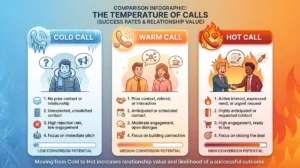
The Difference Between Cold Calling and Warm Calling
Not every telemarketing call creates the same customer experience.
A cold call is generally made to someone who has not previously expressed interest in the company.
A warm call is made to someone who has already interacted with the business or shown some level of interest.
For example, a warm lead might have:
- Requested information
- Filled out an online form
- Downloaded a guide
- Asked for a quote
- Previously purchased a product
- Contacted customer support
Warm calls are often easier because the customer already has some connection with the company.
Are There Any Advantages of Telemarketing?
Despite its disadvantages, telemarketing can still be useful.
Phone calls provide something that many digital channels cannot: real-time human interaction.
A representative can immediately answer questions, explain complicated products, address objections, and schedule appointments.
Telemarketing can also be effective when contacting qualified leads who have already shown interest.
The problem is not necessarily the telephone itself.
The biggest issue is how businesses use it.
How Businesses Can Make Telemarketing Less Annoying
Companies can reduce the negative effects of telemarketing by changing their approach.
Contact Relevant Prospects
Instead of calling completely random people, businesses can focus on customers who are more likely to need their products.
Respect Customer Preferences
If someone asks not to receive future calls, the company should respect that request.
Keep Calls Short and Relevant
Customers are more likely to listen when the conversation quickly explains why the call is relevant to them.
Train Sales Representatives
Representatives should learn how to listen, answer questions, handle objections, and recognize when to end a conversation.
Use Personalization
Customer information can help representatives avoid generic conversations and provide more relevant recommendations.
Combine Telemarketing With Digital Marketing
Businesses can use email, websites, search marketing, and social media to educate customers before or after a phone conversation.
This creates a more complete customer journey.
Better Alternatives to Traditional Cold Calling
Businesses that struggle with cold calling can consider other lead-generation strategies.
Some alternatives include:
- Search engine optimization
- Content marketing
- Email marketing
- Social media marketing
- Referral programs
- Online advertising
- Webinars
- Customer reviews
- Inbound marketing
These methods allow potential customers to discover a company on their own.
When customers actively seek information, the resulting leads may be more qualified than completely cold prospects.
The Future of Telemarketing
Telemarketing is unlikely to disappear completely, but the way businesses use it is changing.
Technology can help companies identify better prospects, personalize conversations, track results, and automate certain tasks.
Artificial intelligence can also assist with call analysis, lead qualification, transcription, and customer follow-up.
However, technology cannot completely solve the fundamental problem of unwanted communication.
Customers still want control over how and when businesses contact them.
The companies most likely to succeed will be those that use technology to make calls more relevant rather than simply making more calls.
The biggest disadvantages of telemarketing include intrusive calls, low conversion rates, customer privacy concerns, high operating costs, negative brand perception, and strict regulatory requirements.
These problems explain why many people dislike cold calls.
However, telemarketing is not automatically ineffective.
When businesses contact relevant prospects, respect customer preferences, provide useful information, and use trained representatives, phone conversations can still become a valuable part of a marketing strategy.
The key is to stop thinking about telemarketing as simply making more calls.
Instead, businesses should focus on making better, more relevant, and more respectful calls.
That approach can improve the customer experience while giving companies a better chance of turning conversations into genuine business opportunities.