
Top Telemarketing Software to Boost Productivity
Top Telemarketing Software to Boost Productivity | Executing an outbound or inbound call strategy in the digital era is no longer the same as it was a decade ago. The traditional telemarketing model, which relied on lists of phone numbers on paper and a “dial as many as possible” mentality, has long been obsolete. If a business still relies on such manual methods, the efficiency of their sales team is guaranteed to plummet.
Today, telemarketing has transformed into a highly technical, structured, and data-driven process. To maximize agent productivity and increase connect rates, companies need a specialized software ecosystem. This technology automates tedious administrative tasks while providing deep analytical insights from every conversation.
The following is an in-depth review of the modern technological infrastructure required to build an effective and efficient telemarketing operation.

1. Modern Telephony and Dialing Automation Systems
Manually dialing phone numbers one by one is a massive waste of time. Research shows that agents who dial manually can spend up to half of their workday simply listening to ringtones, dealing with inactive numbers, or hitting voicemails. Modern telephony systems eliminate this bottleneck through workflow automation.
There are several key features in modern dialing technology that significantly boost agent productivity:
-
Predictive and Power Dialers: These systems work by automatically dialing a sequence of numbers from an existing database. Remarkably, this technology can detect whether a call is answered by a human or if it fails. Agents are only connected when there is a human voice on the line, preventing them from wasting energy waiting for calls to be picked up.
-
Local Presence Feature: One of the main reasons people hesitate to answer calls from unknown numbers is an unfamiliar area code. This feature automatically alters the outbound caller ID to match the area code of the prospect’s location. This psychological approach is proven to drastically increase connection rates.
-
Automated Voicemail Drop: When a call goes to voicemail, agents do not need to spend a full minute manually leaving a message. With a single click, the system drops a pre-recorded voicemail message, allowing the agent to immediately move on to the next call.
To implement this strategy, global platforms such as CloudTalk, Five9, and Phone Burner are often the top choices in the industry.
2. Lead Management and CRM Integration
Data is the most valuable asset in any telemarketing campaign. Without a centralized storage directory, critical notes about prospects risk being lost, or worse, the same customer might be contacted by two different agents within a short period. This is where Customer Relationship Management (CRM) software becomes indispensable.
A modern CRM serves as the operational backbone, connecting directly with both hardware and software telephony systems. This synchronization ensures that every interaction is automatically recorded.
The main advantages of utilizing an integrated CRM include:
-
Automated Lead Routing: This feature ensures that each new prospect is immediately directed to the most appropriate agent or department based on specific criteria, such as geographical region, industry type, or business scale.
-
Seamless Synchronization: All call data is automatically aligned with sales engagement platforms, work calendars, and emails. This simplifies the follow-up process without any information slipping through the cracks.
In mid-to-large-scale industries, Salesforce, HubSpot, and Zendesk remain the gold standard for managing these customer databases.
3. AI-Driven Conversation Intelligence

Recording phone calls for quality assurance and legal compliance has been a standard practice for a long time. However, modern technology goes a step further by utilizing Artificial Intelligence (AI) to analyze conversations in real-time as the call takes place.
Tools powered by Conversation and Revenue Intelligence convert voice recordings into valuable text data, helping managers identify which communication patterns yield the most sales.
This technology works through several sophisticated methods:
-
Sentiment Analysis: The AI detects the tone of voice, intonation, and word choice of the prospect to gauge their emotions throughout the call. This provides valuable signals regarding whether the prospect is interested, hesitant, or annoyed.
-
Real-Time Guidance: When a prospect raises an objection or asks a difficult question, the system displays talking points or objection-handling prompts directly on the agent’s monitor. This technology is incredibly helpful for keeping new agents confident during a conversation.
Some of the tech pioneers in this conversation intelligence category include Gong.ai, Dialpad, and Balto.ai.
4. Data Enrichment and Regulatory Compliance
The success of telemarketing is not just about how many calls are made, but how accurately the target audience is reached. Reaching out to the wrong number or to someone without decision-making authority only wastes a company’s budget.
On the other hand, legal and ethical aspects of business are absolute and cannot be ignored. Dialing haphazardly can damage brand reputation and trigger severe legal sanctions. Therefore, telemarketing teams require tools for data enrichment and compliance management:
-
Data Enrichment & Intent Data: Software in this category verifies the status of phone numbers and provides deep firmographic data. This ensures the sales team only contacts valid, high-potential prospects who match the Ideal Customer Profile (ICP).
-
Compliance Managers: This system automatically scrubs contact lists against national consumer protection databases or Do Not Call (DNC) registries. Numbers registered to opt out of commercial calls are instantly removed from the system to avoid hefty financial fines.
Business data providers like ZoomInfo, alongside compliance resources like the FTC Telemarketing Sales Rules, serve as crucial instruments to keep business operations within safe legal boundaries.
5. Visual Collaboration Tools and Instant Presentations
Often, voice communication alone is not powerful enough to convince prospects, especially in B2B (Business-to-Business) models that involve complex sales cycles and high transaction values. Providing supporting visual collateral during a call is proven to significantly boost conversion rates.
When an agent successfully sparks a prospect’s interest mid-conversation, they can immediately leverage Instant Screen Sharing. The main advantage of this feature is its practicality. Prospects can view product presentations, pricing structures, or live walk-throughs directly from their browser without needing to download or install additional applications. This ease of access removes the technical hurdles that frequently discourage prospects from continuing a presentation session.
The transformation of telemarketing from a mass-dialing activity into a precision sales process is driven entirely by the adoption of the right technology. By combining smart call automation, organized customer data management, AI-driven conversation analysis, and strict regulatory compliance, a company can build a formidable sales engine. Investing in this supporting software is no longer just an option for efficiency—it is a strategic necessity to stay competitive in an increasingly crowded market.

9 Ways to Build Client Trust Through Telemarketing
9 Ways to Build Client Trust Through Telemarketing | A solid business relationship always stands on one core foundation: trust. As legendary sales expert Zig Ziglar once noted, emotional comfort makes people willing to listen to you, but it is trust that drives them to do business with you. In today’s highly competitive market, retaining existing clients is far more profitable than constantly hunting for new targets. Data shows that increasing customer retention efficiency by just 5% can boost a company’s profitability multiple times over.

For a calling agency or an internal sales team, phone calls are not just about hitting daily quotas. Every voice interaction is a bridge to shaping brand reputation. When a business successfully wins a customer’s heart, the snowball effect is incredible. Most satisfied customers will not hesitate to voluntarily recommend your services to their colleagues. This process of education, conversion, and relationship maintenance requires a structured communication approach.
Here are nine tactical strategies that can be applied in call management to create long-term emotional connections and loyalty with your business partners.
1. Delivering Responsive and Empathetic Customer Service
The quality of interaction during the initial contact is the main deciding factor in whether a prospect stays or hangs up. Therefore, outbound and inbound teams must be equipped with standard operating procedures that are clear, yet flexible. Agents must not sound like rigid robots reading from a script.
Every call should be treated as an effort to help a fellow human being, not just a support ticket to clear from the queue. Give frontline teams the responsible freedom to provide immediate solutions when handling complex complaints. The commitment shown in the opening minutes of a conversation will reassure callers that they are being handled by the right people.
2. Leveraging the Power of Real Reviews and Testimonials
Potential business partners tend to trust the stories of fellow users more than one-sided claims from a sales brochure. Facts on the ground prove that the majority of businesses check a digital track record of an agency before signing a contract.
In an outreach strategy, slipping past client successes in as running case studies is highly effective in increasing conversions. If there are less-than-perfect reviews, do not rush to delete them. Displaying honest review dynamics actually strengthens your business’s authenticity. It proves that your company is real, transparent, and constantly learning to improve quality.
3. Upholding Transparency from the Very First Conversation
Honesty at the beginning might cause one or two prospects to back away, but that is far better than forcing a partnership that ends in disappointment. When making a cold call, present product information, pricing structures, system limitations, and contract schemes clearly with nothing hidden.
Explain also how your system protects their sensitive data. When consumer expectations are managed honestly from the very first second, the potential for future misunderstandings can be minimized. This transparency is what separates professional agencies from amateur service providers.
4. Opening Communication Channels for Regular Evaluation
How do you know that your calling strategy is working effectively? The answer lies in direct feedback from your users. Do not assume that everything is fine just because there are no written complaints.
Set aside specific time at the end of a session or send a short survey after a project is completed to hear their impressions. Ask which aspects need improvement, whether the agent’s communication was clear, and if the offered solutions truly answered their needs. Your concrete steps in executing that feedback will prove to clients that their voices are highly valued.
5. Designing Exclusive Retention and Appreciation Programs
Well-designed incentives can strengthen the emotional bond between a brand and its consumers. For business-to-business (B2B) models, this appreciation does not always have to be in the form of price discounts. You can provide added value through exclusive access to industry webinars, the latest market research reports, or priority service when communication lines are busy.
The main goal of this loyalty program is to provide value protection that makes clients feel a functional and emotional loss if they decide to move to your competitor.
6. Being Present Across Integrated Communication Lines
Ease of access is the key to convenience. Modern consumers demand a consistent experience, whether they contact you via a phone call, short message, or other digital platforms.
Implementing a single-door communication system (omnichannel) is highly crucial here. Agents must be able to see the client’s past conversation history on previous platforms without asking them to repeat their story from scratch. Speed in responding to calls and resolving issues at the first point of contact (first-contact resolution) drastically raises the level of public trust in your agency’s credibility.
7. Instilling a Client-Solution Oriented Work Culture
Caring for customer comfort should not rest solely on the shoulders of the customer support team. This value must be internalized by all levels of the organization, from operational staff and creative teams to top management.
When all elements of the company share the same vision of putting client interests first, every product innovation and outreach strategy born will always be relevant to market needs. Convincing the public that you care becomes an easy job when the concrete actions of your entire team truly reflect it.
8. Cultivating Continuous Personal Relationships
Business is not just a transaction of numbers on paper; it is a relationship between humans. A warm personal approach is proven to be effective in reducing client churn rates.
Remembering their names, understanding the specific challenges faced by their industry, and giving small attentions outside of work matters will make partners feel valued as individuals, not just as sources of company profit. This investment of time to chat and actively listen may feel heavy at first, but the long-term results are well worth it for business stability.
9. Taking Full Ownership of Every Issue

Technical errors or miscommunications in daily operations are human and can happen at any time. However, the primary differentiator between a highly reputable business and one that is not is their attitude when facing such problems.
Taking ownership does not mean blindly blaming yourself; it means a full commitment to guiding the search for a solution until it is completely resolved. Train your agents to manage client panic with calmness, provide clear resolution timelines, and perform internal evaluations so similar problems do not happen again in the future.
Cultivating loyalty and trust from business actors is not an overnight project. It demands consistency, empathy, and strategic precision in every verbal communication. By placing client comfort and needs as the highest priority in every calling session, your agency is automatically building a solid fortress of reputation for sustainable business growth.

5 Ways to Bypass the Gatekeeper in B2B Telemarketing
5 Ways to Bypass the Gatekeeper in B2B Telemarketing | In the world of B2B telemarketing, one of the biggest challenges that often frustrates sales agents before they even get to pitch their solution is the presence of a gatekeeper. These guardians—whether receptionists, secretaries, or executive assistants—have one clear, primary duty: to screen incoming calls and ensure their boss’s time is not wasted on unimportant matters.
For most phone marketers, the gatekeeper is often seen as an impenetrable brick wall. However, if you shift your perspective and utilize the right communication strategies, this position can actually be leveraged as a golden bridge to the decision-maker.
The core secret is simple yet profound: never pitch your product to the gatekeeper.
When you start pitching your sales presentation to an assistant, they will instantly recognize you as a remote salesperson, and the call will be cut short. Instead, you must exude confident familiarity, act as if your call is expected, and state your purpose plainly using the prospect’s first name.
Here are five structured, tactical strategies your telemarketing team can implement to bypass the gatekeeper and connect directly with key business stakeholders.
1. Adopt the “Business Owner” Attitude

Your tone of voice reflects your position. When an agent calls with a hesitant, overly formal, or permission-seeking tone like, “I’m so sorry, but would it be possible for me to speak with Mr. Smith?”, a trained gatekeeper will instantly detect that the call is commercial and non-urgent.
Try shifting your approach by projecting the confidence of a senior executive or a business owner calling a peer. Speak in a relaxed, natural, yet firm and authoritative tone.
Instead of using long-winded sentences, confidently request your target using their first name.
What to say: “Hi, is [Prospect’s First Name] available?”
This approach is highly effective because it psychologically forces the gatekeeper to check if their boss is free, rather than screening you as an unsolicited sales call. When you sound familiar and confident, their initial assumption is that you are an important contact with an existing relationship.
2. Invoke Executive Authority
One of an executive assistant’s biggest fears is blocking a call from someone who turns out to have an important connection with the company’s board or upper management. You can leverage this organizational dynamic by mentioning an internal referral or bringing up a higher-level executive’s name to grant you instant access.
This strategy does not mean lying; rather, it is about framing the context of the call based on thorough pre-call research. If you have had previous interactions or noticed a top-level business connection, use it as your ticket in.
What to say: “Hi, this is [Your Name] with [Your Company]. I’m calling [Prospect’s First Name] at [Executive Name]’s request.”
Hearing the name of someone they know or respect within the company’s ecosystem will make the gatekeeper think twice about rejecting you. The risk of cutting off instructional communication from the upper level is simply too high for them. Consequently, the communication line is usually opened quickly.
3. Extract Value from the Rejection
What if the gatekeeper remains rigid and insists on taking a message or asks you to email information? Do not just give up and hang up the phone in disappointment. This moment of rejection can actually be turned into a golden opportunity to gather deep business intelligence.
When they ask you to send an email, happily agree to the request. However, turn that compliance into a barter tool to gain insight into the specific pain points the company is currently facing.
What to say: “I can certainly send an email. But so I don’t send [Prospect’s First Name] a generic document that wastes their time, could you tell me a bit about how your team is handling [specific business pain point] right now?”
This question shifts the focus of the conversation from “selling” to “seeking information alignment.” Often, gatekeepers will gladly share small operational details that are highly valuable. This information can then serve as your main leverage when you successfully connect with the decision-maker in the next call.
4. Leverage Strategic Timing
Penetrating business defenses is often not just about what you say, but when you say it. Most assistants or administrative staff work based on very strict office hours, usually from 9:00 AM to 5:00 PM.
Executives, directors, and business owners, on the other hand, often arrive earlier or stay later to finish their strategic work without interruptions.
Try rescheduling your call times during these crucial windows:
-
Before 8:30 AM: When the office is still quiet and the gatekeeper hasn’t started their shift.
-
After 5:30 PM: When the administrative staff has gone home, but business leaders are still at their desks.
-
Lunch Breaks: When the primary gatekeeper is being covered by a temporary replacement who might not be as strict in screening calls.
During these critical times, there is a high probability that the decision-maker will answer their own phone directly. When they answer, you have already bypassed half of the biggest challenge in B2B outreach.
5. Build a Human Alliance

The final, equally powerful method is to be honest, transparent, and treat the gatekeeper as an ally rather than an enemy to be fought. Remember that they are human beings who appreciate politeness and professionalism.
If you encounter a gatekeeper who is firm yet friendly, try being straightforward about your intentions. State your identity clearly and ask for their help to guide you in the right direction.
What to say: “Hi [Gatekeeper’s Name], I know you’re busy and I don’t want to waste your time. We help companies in your industry handle [brief one-sentence benefit of your solution]. Can you point me in the right direction to the best person to discuss this with?”
A sincere approach that respects their role triggers empathy. When they feel respected and not manipulated, it is not uncommon for a gatekeeper to proactively provide a direct name, an extension number, or even tell you the best time to reach their boss.
Integrating Strategies into Call Center Routines
Success in bypassing gatekeepers in modern telemarketing requires practice and consistency. Every rejection from a gatekeeper should not be viewed as a communication failure, but rather as a data-gathering process to refine your next call strategy.
By applying a combination of these five tactical methods—from projecting executive confidence and leveraging smart timing to building genuine rapport—your sales team will no longer see the gatekeeper as a barrier, but as a strategic partner that smooths the business path toward closing deals.
Telemarketing Strategy: Turning Cold Calls into Sales
Telemarketing Strategy: Turning Cold Calls into Sales | Making phone calls to prospective customers—or telemarketing—is often seen as a major challenge in the business world. Many agents immediately dive into an aggressive pitch from the very first second, which usually ends in instant rejection. In reality, the key to a high-converting call is not how hard you sell, but how relevant you are to the person on the other end.
A conversational, two-way approach is far more effective than old-school sales methods. By prioritizing exploration and active listening, agents can build the essential trust needed to secure an appointment or close a sale.
An Effective and Flexible Call Framework
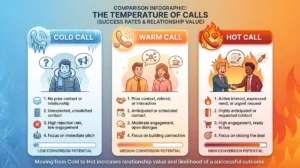
To generate a smooth and meaningful conversation, an agent needs a well-planned yet flexible call structure. Here is the essential anatomy for building a successful telemarketing strategy:
1. Securing Permission and Delivering the Hook
Never bombard a prospect with a product presentation right away. A wise first step is to ask for permission to speak for just 60 seconds. Address them by their name to show respect and create a personal touch.
If you are operating under strict legal jurisdictions like Singapore, transparency is absolute. You must be ready to state your business nature and how you sourced their contact details immediately upon request to comply with telemarketing regulations.
2. Prioritizing Relevance Over Rapport
Building rapport is great, but a prospect’s time is valuable. Instead of wasting the opening minutes on generic small talk, connect the conversation immediately to a real challenge or situation they are currently facing. For instance, you could mention a recent business expansion they underwent or a current trend in their industry.
3. Applying the 80/20 Rule for Discovery
The success of a call often happens when the agent stays quiet. Let the prospect do 80% of the talking, while you take up only 20% of the conversation.
How do you achieve this? Ask open-ended questions that prompt them to share their story, such as:
“What is the biggest bottleneck your team is currently facing in daily operations?”
Questions like this not only uncover specific pain points but also make the conversation feel human rather than robotic.
4. Presenting a Targeted Value Proposition
Once you have listened closely and understood their challenges, it is time to introduce your solution. Tailor the value of your product or service strictly around the issues they just mentioned.
Avoid overly technical and boring feature breakdowns. Instead, share concrete success metrics or tell a short, relatable story about how your product solved a similar problem for another client.
Securing the Next Steps
The final part of the call is defining the direction, or the close. When a prospect starts to feel that your solution makes sense for their business, do not let the conversation hang in limbo.
Naturally guide the discussion toward the next step, such as proposing a schedule for a follow-up discussion or a brief product demo. By focusing on client needs and regulatory compliance, telemarketing shifts from a guessing game into a strategic method for building long-term business relationships.