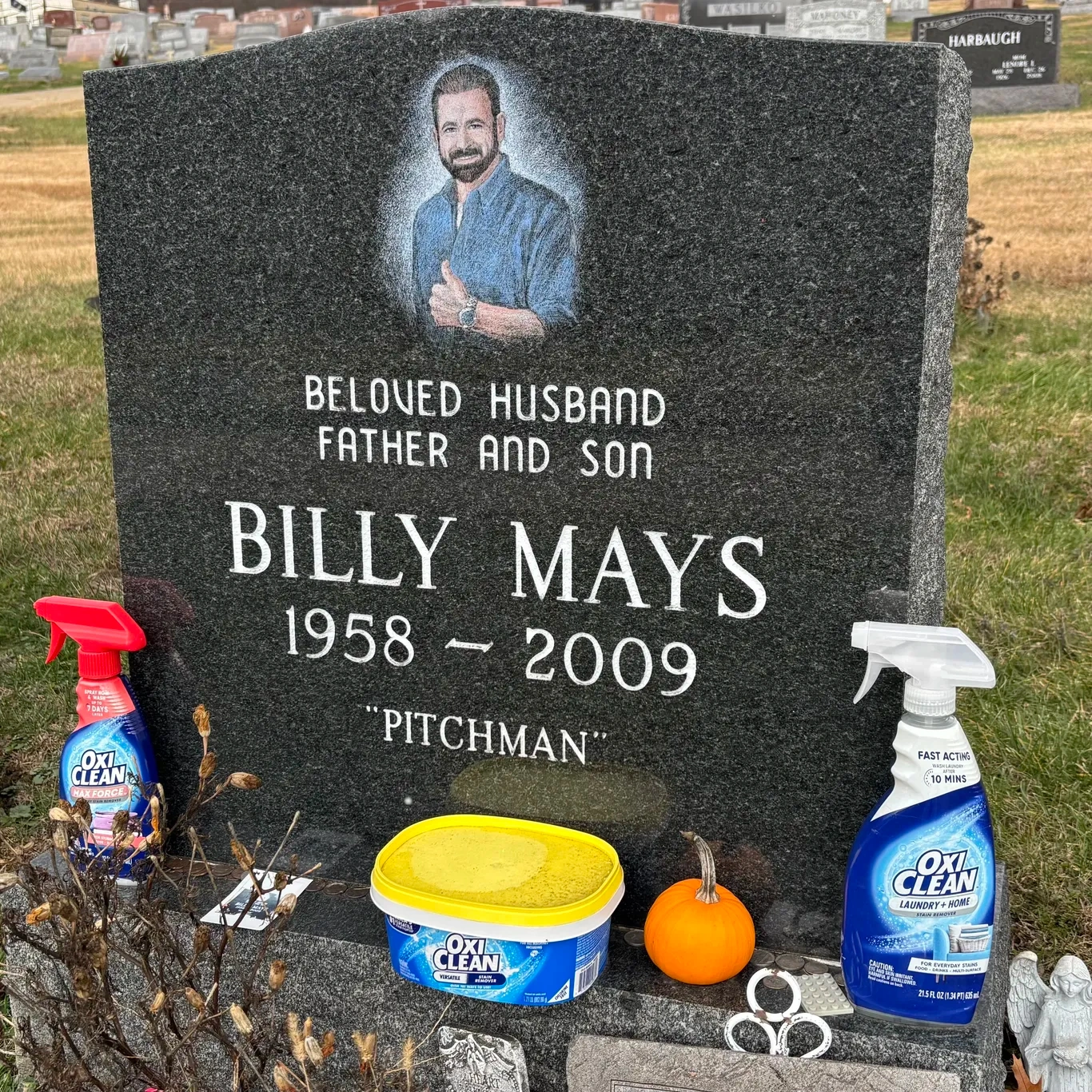
Pitch Perfect: Implementing Billy Mays’ Legendary Call Strategies for Modern Corporate Telemarketing | In the competitive world of corporate telemarketing, capturing attention within the first few seconds can determine whether a conversation succeeds or fails. Modern customers are constantly exposed to advertisements, emails, and sales messages, making it increasingly difficult for businesses to stand out.

One of the most memorable figures in sales communication was Billy Mays, the legendary television pitchman known for his energetic delivery, persuasive storytelling, and ability to turn ordinary products into compelling solutions. While his style was developed for direct-response television, many of his communication principles remain valuable for modern corporate telemarketing.
By understanding and adapting Billy Mays’ legendary call strategies, businesses can create more engaging conversations, build trust faster, and improve sales effectiveness.
Who Was Billy Mays and Why Was His Approach Successful?
Billy Mays was a famous American salesman recognized for his enthusiastic presentations and powerful communication style. His success came from more than just volume or energy—it was built on a deep understanding of customer psychology.
His pitches followed a clear structure:
- Grab attention immediately.
- Identify a common problem.
- Present a simple solution.
- Explain the benefits clearly.
- Create urgency.
- End with a strong call to action.
These principles are still relevant for today’s corporate telemarketing teams because successful sales conversations depend on clarity, confidence, and customer connection.
The Importance of a Strong Opening in Telemarketing
One of Billy Mays’ strongest techniques was his ability to capture attention instantly. In telemarketing, the opening sentence often determines whether the customer continues listening or loses interest.
A modern corporate telemarketing opening should focus on value rather than immediately pushing a product.
Instead of:
“I’m calling to tell you about our new service.”
A stronger approach would be:
“Many businesses struggle with reducing operational costs while maintaining quality. We help companies solve that challenge.”
This approach creates curiosity and positions the salesperson as a problem solver.
Use Energy and Confidence Without Sounding Aggressive
Billy Mays was famous for his enthusiasm, but his success was not simply about being loud. His energy communicated confidence and belief in the product.
Modern telemarketers can apply this by focusing on:
- Clear communication.
- Positive tone.
- Genuine enthusiasm.
- Strong product knowledge.
- Confidence in the solution.
Customers respond better when they feel they are speaking with someone who understands their needs rather than someone reading a script.
Focus on Problems Before Presenting Solutions
A key element of Billy Mays’ strategy was identifying a problem before introducing a product.
Successful sales conversations follow the same principle.
Instead of immediately explaining features, telemarketers should ask questions such as:
- What challenges is your company currently facing?
- How are you managing this process today?
- What improvements would make your workflow easier?
Understanding customer pain points allows sales representatives to present solutions that feel relevant and personalized.
Transform Features Into Benefits
One of Billy Mays’ greatest strengths was explaining why a product mattered to customers.
Modern corporate telemarketing teams should avoid focusing only on technical features.
For example:
Feature:
“Our software includes automated reporting tools.”
Benefit:
“Our automated reporting helps your team save hours every week and make faster decisions.”
Customers are usually more interested in outcomes than specifications.
Create a Clear and Memorable Message
Billy Mays understood the power of repetition and simplicity. His messages were easy to remember because they focused on one central idea.
Corporate telemarketing messages should also avoid unnecessary complexity.
An effective sales message should answer three questions:
- What problem does the product solve?
- How does it improve the customer’s situation?
- Why should they take action now?
A simple message is easier for customers to understand and remember.
Build Trust Through Authentic Conversations
Although Billy Mays had a dramatic presentation style, trust was always at the center of his approach. Customers believed him because he appeared knowledgeable and passionate about the products he promoted.
Modern telemarketing professionals can build trust by:
- Listening actively.
- Avoiding exaggerated claims.
- Providing honest information.
- Understanding customer goals.
- Following through on promises.
Trust is especially important in corporate sales because purchasing decisions often involve long-term relationships.
Apply Storytelling Techniques in Sales Calls
Stories are powerful because people remember experiences more easily than facts.
Billy Mays often demonstrated products through real-life situations, showing how they solved everyday problems.
Corporate telemarketers can use similar techniques by sharing:
- Customer success examples.
- Real business improvements.
- Before-and-after scenarios.
- Practical use cases.
A short story can make a product more relatable and easier to visualize.
Use Urgency Without Creating Pressure
Another important part of Billy Mays’ approach was creating urgency. However, effective urgency should encourage action rather than make customers feel pressured.
Modern examples include:
- Limited implementation schedules.
- Seasonal opportunities.
- Available consultation slots.
- Time-sensitive business advantages.
The goal is to help customers recognize the value of acting at the right moment.
Modernizing Billy Mays’ Strategy for Digital Sales Teams
Today’s corporate telemarketing environment is different from traditional television sales. Customers expect personalized communication, professional advice, and relevant solutions.
Modern sales teams can combine Billy Mays’ principles with:
- Customer relationship management (CRM) systems.
- Data-driven personalization.
- AI-assisted sales insights.
- Omnichannel communication.
- Follow-up automation.
The foundation remains the same: understand the customer, communicate value, and create meaningful connections.
Common Telemarketing Mistakes to Avoid
Even with strong sales techniques, mistakes can reduce effectiveness.
Common problems include:
- Reading scripts without personality.
- Talking more than listening.
- Overloading customers with information.
- Focusing only on features.
- Using aggressive sales tactics.
The best sales conversations feel like helpful discussions rather than one-sided presentations.
Billy Mays’ legendary sales techniques remain valuable because they are based on timeless communication principles. His ability to capture attention, explain benefits, build excitement, and connect with customers provides important lessons for modern corporate telemarketing.
Successful sales calls are not about simply delivering a pitch. They are about understanding problems, offering meaningful solutions, and creating trust.
By combining Billy Mays’ proven strategies with modern sales technology, businesses can create more effective telemarketing campaigns and stronger customer relationships.