Maret 1, 2026

Telemarketing for Business – Outreach Methods & Sales Support

Learn how telemarketing supports business outreach, lead generation, and sales communication through structured call strategies.

Februari 26, 2026 | lon9l

How Telemarketing Can Boost Customer Retention
How Telemarketing Can Boost Customer Retention

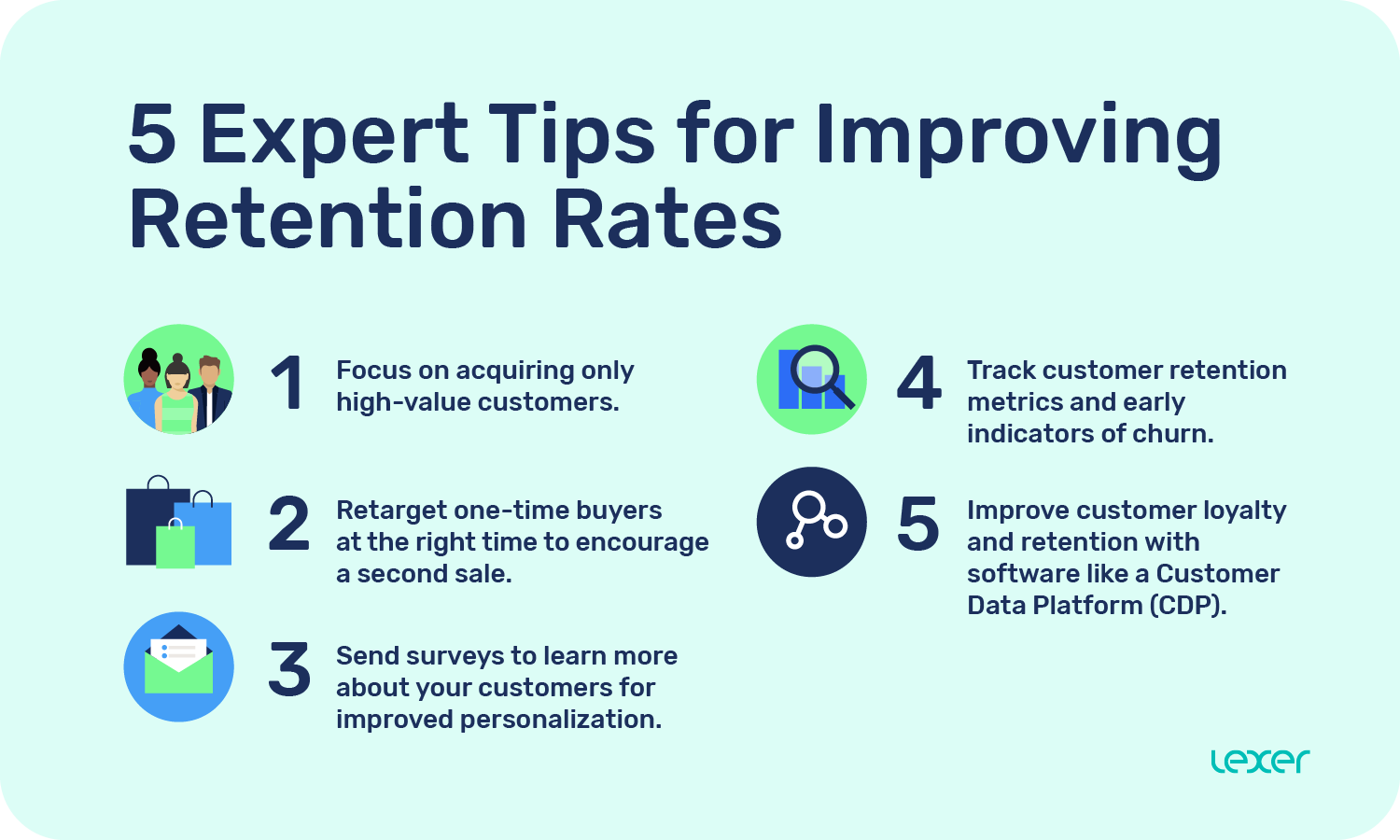
How Telemarketing Can Boost Customer Retention – Customer retention has become one of the most important priorities for businesses that want to grow steadily and build long-term success. While many companies focus heavily on attracting new customers, keeping existing customers engaged is often more profitable and sustainable. One strategy that continues to deliver strong results is telemarketing. When done correctly, telemarketing creates personal connections that strengthen trust, improve satisfaction, and encourage customers to stay loyal.

Unlike automated emails or generic ads, telemarketing offers direct communication. It allows businesses to listen, respond, and build meaningful relationships. This human interaction is what makes telemarketing a powerful tool for improving customer retention.

Why Customer Retention Matters More Than Ever

Customer retention is not just about keeping sales numbers stable. It plays a major role in building a reliable customer base that supports your business over time. Loyal customers tend to buy more frequently, trust your brand, and recommend your services to others. This reduces the need for constant spending on acquiring new customers.

When customers feel valued, they are less likely to switch to competitors. Telemarketing helps create that feeling by offering direct, personalized interaction. Instead of being treated like just another number, customers feel heard and appreciated. This emotional connection makes a big difference in how customers perceive a brand.

Telemarketing also allows businesses to stay present in the customer’s mind. A friendly phone call can remind customers about your services, offer helpful information, or simply check in. These small moments of communication can strengthen loyalty and build long-term engagement.

The Human Touch Makes a Lasting Impact

One of the biggest advantages of telemarketing is the human touch. People naturally respond better to real conversations than automated messages. Hearing a friendly voice creates a sense of trust that digital communication often cannot match.

Telemarketing allows businesses to communicate with empathy. Customers can ask questions, express concerns, or share feedback in real time. This two-way communication builds stronger relationships and shows customers that their opinions matter.

When customers feel understood, they are more likely to stay loyal. Telemarketing creates opportunities to resolve issues quickly, which prevents small problems from turning into bigger ones. This proactive approach helps maintain positive customer experiences.

Building Trust Through Direct Communication

Trust is one of the key factors in customer retention. Without trust, customers may explore other options even if your product or service is good. Telemarketing provides a direct and transparent way to build that trust.

When businesses reach out to customers personally, it shows effort and commitment. Customers appreciate companies that take the time to communicate directly. This builds confidence and strengthens the relationship.

Telemarketing also allows businesses to explain services clearly. Misunderstandings can be resolved quickly, and customers can receive accurate information. This clarity helps customers feel more comfortable continuing their relationship with the brand.

Telemarketing Helps Identify Customer Needs

Understanding customer needs is essential for retention. Telemarketing makes it easier to gather valuable insights directly from customers. Instead of guessing what customers want, businesses can ask and listen.

These conversations reveal important information about customer preferences, expectations, and concerns. Businesses can use this information to improve their services and create better customer experiences.

When customers see that their feedback leads to real improvements, they feel valued. This strengthens their connection with the brand and increases loyalty. Telemarketing becomes not just a sales tool, but also a powerful feedback channel.

Personalization Improves Customer Experience

Customers today expect personalized experiences. They want to feel recognized and understood. Telemarketing allows businesses to tailor conversations based on customer history and behavior.

For example, businesses can recommend relevant services, offer special promotions, or provide helpful reminders. This level of personalization makes customers feel important. It shows that the business cares about their individual needs.

Personalized telemarketing also reduces the risk of customers feeling ignored. When communication feels relevant and meaningful, customers are more likely to remain engaged.

Strengthening Long-Term Customer Relationships

Customer retention is built on strong relationships. Telemarketing helps nurture these relationships over time. Regular communication keeps customers connected to the brand and reinforces loyalty.

Telemarketing can be used to follow up after purchases, check customer satisfaction, or inform customers about updates. These follow-up calls show that the business values the customer beyond the initial transaction.

Consistency is important in relationship building. Telemarketing provides a reliable way to maintain regular contact. This ongoing communication keeps the relationship active and healthy.

Customers who feel connected to a brand are more likely to continue using its services. They also become more forgiving if small issues arise because they trust the company’s intentions.

Resolving Problems Before Customers Leave

Customer dissatisfaction is one of the main reasons customers leave. Telemarketing helps identify and resolve problems early. By reaching out proactively, businesses can address concerns before customers decide to switch to competitors.

A simple phone call can uncover hidden issues. Customers may share frustrations that they would not express through other channels. Telemarketing gives businesses the chance to fix these issues quickly.

Fast problem resolution improves customer satisfaction. It shows customers that the business cares about their experience. This can turn a negative situation into a positive one.

When customers see that their problems are handled professionally, their trust increases. This strengthens their commitment to the brand.

Increasing Customer Engagement and Loyalty

Customer engagement plays a major role in retention. Telemarketing encourages active engagement through real conversations. Customers become more involved with the brand when they interact directly.

Engaged customers are more likely to continue buying. They feel more connected and invested in the relationship. Telemarketing helps maintain this engagement by keeping communication open.

Telemarketing can also be used to introduce new services or updates. Customers appreciate being informed personally. This makes them feel included and valued.

Loyal customers often become brand advocates. They recommend the business to others and help expand its reach naturally. This creates long-term benefits beyond retention alone.

Supporting Business Growth Through Retention

Customer retention supports stable business growth. Retaining customers reduces the cost of acquiring new ones. It also creates predictable revenue and strengthens brand reputation.

Telemarketing plays an important role in supporting retention efforts. It helps maintain relationships, improve satisfaction, and build loyalty. These factors contribute to long-term business success.

Businesses that invest in telemarketing often see stronger customer relationships. These relationships lead to repeat business and positive customer experiences.

Telemarketing also provides valuable market insights. Businesses can learn what customers like and what needs improvement. This information helps guide future strategies.

Creating a Positive Brand Image

A strong brand image encourages customer loyalty. Telemarketing contributes to a positive image by showing professionalism and care. Friendly and respectful communication leaves a lasting impression.

Customers remember how they are treated. Positive telemarketing experiences make customers feel appreciated. This improves their perception of the brand.

A positive brand image makes customers more confident in their decision to stay. It also increases the chances that they will recommend the brand to others.

Telemarketing helps reinforce the message that the business values its customers. This strengthens the emotional connection and supports long-term retention.

Conclusion

Telemarketing remains one of the most effective tools for boosting customer retention. Its ability to create direct, personal communication makes it highly valuable in today’s competitive market. By building trust, understanding customer needs, and maintaining strong relationships, telemarketing helps businesses keep customers engaged and loyal.

Customer retention is not achieved through one-time efforts. It requires consistent communication and genuine care. Telemarketing provides the opportunity to connect with customers in a meaningful way. These conversations strengthen relationships, improve satisfaction, and encourage long-term loyalty.

Februari 23, 2026 | lon9l

Overcoming Common Challenges in Telemarketing

Overcoming Common Challenges in Telemarketing

Overcoming Common Challenges in Telemarketing – Telemarketing has been a core strategy for businesses for decades. It’s a direct way to connect with potential clients, explain your services, and drive sales. But anyone who has worked in telemarketing knows it comes with unique challenges. From rejection to data quality issues, telemarketers often face hurdles that can make success feel elusive. The good news is that with the right strategies, these challenges can be overcome.

Understanding the Main Challenges

Before we dive into solutions, it’s important to identify the most common challenges telemarketers encounter. These hurdles can range from external factors like customer behavior to internal ones like team motivation.

One of the biggest struggles in telemarketing is rejection. Unlike other marketing channels, telemarketers speak directly to individuals who may not be interested in your product or service. Hearing “no” repeatedly can affect morale and reduce productivity if not managed properly.

Another common challenge is lead quality. Calling outdated or irrelevant leads wastes time and resources. Without accurate data, even the most skilled telemarketer can struggle to achieve results.

Compliance and regulations also present difficulties. Telemarketing laws vary by country, and even minor violations can result in penalties. Understanding rules around call times, opt-outs, and consent is critical.

Finally, maintaining motivation and consistency in the team can be tough. Telemarketing requires energy, persistence, and a positive attitude, which can be challenging when faced with constant rejection or a slow sales cycle.

Building a Strong Foundation

Overcoming these challenges begins with preparation. A solid foundation can make a significant difference in both individual and team performance.

Start with high-quality leads. Investing in good data sources ensures your team isn’t wasting time on uninterested prospects. Segmenting your audience can also improve the relevance of your calls, making conversations more natural and increasing the chances of a positive outcome.

Training is equally important. Comprehensive training programs should not only focus on scripts but also on listening skills, objection handling, and adaptive conversation techniques. When telemarketers feel confident, they’re better equipped to handle rejection and pivot conversations effectively.

Effective Communication Strategies

At the heart of telemarketing is communication. How you connect with a prospect can determine the success of the call.

A friendly and conversational tone is essential. Prospects are more likely to respond positively when the call feels personal rather than robotic. Instead of sticking rigidly to a script, teach your team to adapt their pitch based on the conversation. This approach creates a more authentic interaction, which can improve engagement.

Another key strategy is active listening. Telemarketers should listen to the prospect’s concerns and respond thoughtfully. By acknowledging objections and providing relevant solutions, you not only build trust but also increase the likelihood of conversion.

Managing Rejection and Staying Motivated

Rejection is inevitable in telemarketing, but it doesn’t have to be discouraging. How a telemarketer handles “no” can make or break their success.

One approach is to reframe rejection. Instead of viewing it as failure, consider each “no” as a learning opportunity or a step closer to a “yes.” Maintaining a positive mindset helps telemarketers remain motivated and resilient.

Providing regular feedback and recognition is also important. Celebrate small wins, whether it’s scheduling a follow-up or successfully handling a tough objection. Positive reinforcement fosters a culture of perseverance and can reduce burnout.

Leveraging Technology

Modern telemarketing isn’t just about dialing numbers. Technology can be a powerful ally in overcoming common challenges.

CRM (Customer Relationship Management) systems help track interactions, manage follow-ups, and ensure leads are properly nurtured. Automated dialers can improve efficiency by reducing the time spent manually dialing numbers. Additionally, analytics tools allow managers to monitor performance and identify areas for improvement.

Technology also aids compliance. Features like automated opt-out management and call recording ensure that telemarketing campaigns adhere to regulations, reducing the risk of fines and reputational damage.

Continuous Improvement

Telemarketing is an evolving field. The strategies that work today may need adjustment tomorrow. Encouraging a mindset of continuous improvement ensures your team stays competitive.

Regular training sessions, performance reviews, and sharing best practices can boost team effectiveness. Encourage telemarketers to experiment with different approaches, test new scripts, and refine messaging based on what resonates most with prospects.

Feedback loops are particularly effective. By analyzing successful and unsuccessful calls, teams can identify patterns, optimize their approach, and gradually improve conversion rates.

Building Strong Customer Relationships

Beyond immediate sales, telemarketing is about creating relationships. Even if a prospect isn’t ready to buy, a positive interaction can leave a lasting impression. This opens doors for future opportunities, referrals, and brand loyalty.

Personalization is key. Tailoring your pitch to the prospect’s specific needs shows that you understand their situation and are not simply making a generic sales call. Over time, these genuine interactions can differentiate your brand and make future calls more effective.

Final Thoughts

Telemarketing comes with its challenges, but none are insurmountable. By focusing on quality leads, effective communication, motivation, technology, and continuous improvement, businesses can turn obstacles into opportunities.

Success in telemarketing isn’t just about numbers—it’s about creating meaningful connections, staying persistent, and constantly refining your approach. With the right mindset and tools, telemarketing can remain one of the most effective ways to grow your business, even in an age dominated by digital channels.

By taking these strategies to heart, companies can overcome common hurdles, enhance team performance, and ultimately drive sales growth in a sustainable and consistent way.

Februari 21, 2026 | lon9l

Top Strategies for Boosting Telemarketing Sales

Top Strategies for Boosting Telemarketing Sales

Top Strategies for Boosting Telemarketing Sales – Telemarketing is often underestimated in today’s digital-first world. While businesses focus heavily on ads, social media, and email funnels, telemarketing continues to deliver powerful, direct results. A real conversation still converts better than most automated systems. The key is not just making calls, but making the right calls with the right strategy.

If you want to increase telemarketing sales, you need more than a script and a list of numbers. You need structure, psychology, preparation, and consistency. Below are proven strategies that can significantly improve your telemarketing performance and help you close more deals consistently.

Understanding Your Target Audience

Before dialing a single number, you must clearly understand who you’re calling. Many telemarketing campaigns fail because they treat every prospect the same. That approach rarely works.

Start by defining your ideal customer profile. Are you targeting small business owners, corporate decision-makers, or individual consumers? What are their main pain points? What problems are they trying to solve?

The more specific you are, the easier it becomes to position your offer as a solution rather than a sales pitch. When prospects feel understood, resistance drops dramatically.

Research Before You Call

Preparation is one of the most overlooked telemarketing sales strategies. Even basic research about a company or individual can dramatically improve your chances.

Check their website, social presence, or recent business updates. If you’re calling a company, know their industry. If you’re reaching out to a decision-maker, understand their role.

Instead of saying, “I’m calling to offer our services,” you can say, “I noticed your company has been expanding into new markets. We help businesses like yours streamline customer acquisition during growth phases.”

That small difference builds credibility instantly.

Crafting a High-Converting Script

A script should guide the conversation, not control it. The biggest mistake in telemarketing is sounding robotic. Prospects can immediately tell when someone is reading.

Your script should focus on three main parts: a strong opening, a value-driven body, and a clear closing.

The opening must capture attention within the first 10 seconds. Respect their time and state your purpose clearly. For example, instead of asking, “Is this a good time?” you can say, “I’ll be brief. The reason for my call is…”

This approach shows confidence and professionalism.

Focus on Benefits, Not Features

Customers don’t buy features. They buy outcomes. If you’re selling software, don’t talk about technical specifications. Talk about saving time, increasing revenue, or reducing workload.

Instead of saying, “Our platform includes advanced analytics,” say, “Our platform helps you identify revenue leaks and increase conversions within weeks.”

When you focus on benefits, you speak directly to the prospect’s goals.

Building Rapport Quickly

Telemarketing success depends heavily on trust. Since you don’t have face-to-face interaction, your voice becomes your strongest tool.

Speak clearly, smile while talking, and match the prospect’s tone. If they speak calmly, avoid being overly energetic. If they are direct and fast-paced, keep your communication concise.

Using their name naturally during the conversation also builds connection. But avoid overusing it. Keep it conversational and genuine.

Rapport is not about small talk for five minutes. It’s about showing that you understand their situation and that you’re calling with purpose.

Handling Objections with Confidence

Objections are not rejection. They are buying signals. When someone says, “It’s too expensive” or “We’re not interested,” they are still engaging.

The key is to respond calmly and professionally.

If the objection is about price, shift the focus to value. For example, you can say, “I understand budget is important. Many of our clients initially felt the same way until they saw how much additional revenue they generated.”

If they say they are not interested, ask a clarifying question. “May I ask what solution you’re currently using?” This keeps the conversation open rather than ending it immediately.

Confidence is crucial here. Hesitation signals doubt. When you believe in what you’re offering, it reflects in your tone.

Mastering the Art of Follow-Up

Most telemarketing sales happen after the first call. However, many sales representatives give up too early.

A prospect might not be ready today, but that doesn’t mean they won’t be ready next month. Create a structured follow-up system. Schedule callbacks, send additional information if needed, and stay consistent.

When you follow up, reference the previous conversation. For example, “Last time we spoke, you mentioned reviewing options this quarter.”

This shows professionalism and keeps your brand top of mind.

Timing Matters

Calling at the right time can significantly impact your telemarketing results. For B2B, mid-morning and mid-afternoon often work well. For consumers, early evenings can be more effective.

Track your data. Identify when your connect rate and close rate are highest. Optimization based on real numbers will always outperform guesswork.

Using Data to Improve Performance

Telemarketing is not just about communication skills. It’s also about numbers. Track key metrics such as call volume, connection rate, average call duration, and conversion rate.

If your connection rate is low, you may need better contact lists. If your calls are long but conversions are low, your pitch may need refinement.

Continuous improvement should be part of your process. Small script adjustments, tone changes, or improved targeting can significantly boost telemarketing sales over time.

Training and Skill Development

Even experienced sales professionals benefit from ongoing training. Role-playing sessions help sharpen objection handling and confidence. Listening to recorded calls can reveal areas for improvement that you might not notice in the moment.

Study proven sales methodologies and adapt what fits your industry. Many modern sales principles are inspired by frameworks popularized in books like SPIN Selling and The Psychology of Selling, which emphasize understanding customer needs and influencing buying decisions through structured conversation.

You don’t need to follow any single method perfectly. The goal is to build a system that works consistently for your team.

Leveraging Technology for Better Results

Modern telemarketing is no longer just a phone and a notebook. CRM systems, auto-dialers, and analytics tools can dramatically improve efficiency.

Using a CRM allows you to track every interaction, schedule follow-ups, and personalize future conversations. When a prospect feels remembered, they are more likely to engage.

Automation should support your efforts, not replace the human element. Telemarketing works because it is personal. Technology simply makes it smarter and more organized.

Maintaining Consistency and Motivation

Telemarketing can be challenging. Rejection is part of the process. The difference between average and high-performing telemarketers is consistency.

Set daily activity targets. Focus on what you can control, such as the number of quality calls made. Sales results are often a numbers game combined with skill.

Celebrate small wins. A positive mindset directly affects your tone and energy during calls. Prospects can sense enthusiasm and belief.

When you maintain discipline, refine your script, and follow up consistently, telemarketing becomes one of the most predictable sales channels available.

Final Thoughts on Boosting Telemarketing Sales

Boosting telemarketing sales is not about aggressive tactics. It’s about preparation, empathy, structure, and persistence. When you understand your audience, communicate clear benefits, handle objections confidently, and follow up consistently, results naturally improve.

Telemarketing remains a powerful strategy because real conversations build real trust. Businesses that invest in training, data analysis, and consistent improvement often outperform competitors who rely solely on digital automation.

Februari 18, 2026 | lon9l

The Future of Telemarketing: Trends to Watch

The Future of Telemarketing: Trends to Watch

The Future of Telemarketing: Trends to Watch – Telemarketing has changed dramatically over the past decade. What used to be a simple process of cold-calling from a printed list has evolved into a data-driven, technology-powered strategy that connects businesses with the right prospects at the right time. As digital channels continue to expand, many people assume telemarketing is fading away. In reality, it is transforming.

The future of telemarketing is not about dialing random numbers. It is about personalization, automation, compliance, and smart integration with digital marketing strategies. Companies that adapt to these trends will stay competitive, while those who rely on outdated tactics will struggle.

In this article, we will explore the future of telemarketing, the most important trends to watch, and how businesses can stay ahead in a rapidly evolving market.

Telemarketing Is Becoming More Data-Driven

One of the biggest shifts in the future of telemarketing is the use of data. Modern telemarketing campaigns no longer rely on generic scripts and massive contact lists. Instead, they leverage customer data to create targeted and relevant conversations.

With advanced CRM systems, companies can analyze customer behavior, preferences, and past interactions before making a call. This allows telemarketers to tailor their pitch, making it feel more like a helpful consultation rather than a sales interruption.

Data segmentation also improves efficiency. Instead of contacting thousands of unqualified leads, businesses can focus on high-intent prospects. This not only increases conversion rates but also reduces operational costs.

As artificial intelligence tools become more sophisticated, predictive analytics will play an even larger role. Companies will be able to forecast which prospects are more likely to convert and prioritize those calls accordingly. This data-driven approach is shaping the future of telemarketing into something far more strategic than traditional cold calling.

AI and Automation Are Reshaping the Industry

Artificial intelligence is no longer a futuristic concept. It is already deeply embedded in modern telemarketing operations. AI-powered dialers, voice analytics, and chatbots are helping teams work smarter.

Automated dialing systems can filter out unanswered calls, busy signals, and voicemails, allowing agents to focus on live conversations. Voice recognition technology can analyze tone, sentiment, and keywords in real time. This helps supervisors monitor performance and provide instant feedback.

AI is also transforming lead scoring. By analyzing historical data, machine learning algorithms can identify patterns that predict successful conversions. Telemarketing teams can then prioritize those leads, increasing overall campaign effectiveness.

In the near future, we can expect even more integration between telemarketing and AI-driven platforms. While automation will handle repetitive tasks, human agents will focus on building relationships and closing deals. This balance between technology and human touch will define the next phase of telemarketing.

Compliance and Consumer Privacy Are More Important Than Ever

As telemarketing evolves, regulatory compliance becomes a critical factor. Governments worldwide are tightening privacy regulations to protect consumers from spam and intrusive marketing practices.

In the United States, organizations must comply with rules enforced by the Federal Communications Commission and the Federal Trade Commission. These agencies regulate telemarketing activities, including robocalls, consent requirements, and do-not-call lists.

In Europe, telemarketing campaigns must align with the General Data Protection Regulation, which emphasizes explicit consent and data transparency. Non-compliance can lead to heavy fines and damage to brand reputation.

The future of telemarketing will prioritize ethical outreach. Businesses will invest more in permission-based marketing strategies. Instead of purchasing questionable contact lists, companies will focus on building their own opt-in databases through digital channels.

Transparency will become a competitive advantage. Consumers are more likely to engage with brands that respect their privacy and clearly communicate how their data is used.

Integration with Omnichannel Marketing

Telemarketing is no longer a standalone strategy. It is becoming part of a broader omnichannel marketing ecosystem. Businesses now combine phone outreach with email marketing, social media campaigns, SMS, and online advertising.

For example, a potential customer might first see an ad on social media, download a free resource, and then receive a follow-up call from a telemarketing agent. Because the agent has access to the prospect’s interaction history, the conversation feels relevant and personalized.

This integration increases conversion rates. It also enhances customer experience by creating consistent messaging across channels.

In the future, seamless integration will be even more critical. Telemarketing platforms will sync automatically with marketing automation tools, allowing real-time updates and unified reporting. Companies that align their telemarketing strategy with digital marketing efforts will see stronger results.

The Rise of Personalized Conversations

Personalization is no longer optional. Consumers expect businesses to understand their needs and offer tailored solutions.

In the past, telemarketing scripts were rigid and generic. Today, scripts are becoming flexible frameworks that guide conversations rather than dictate them. Agents are trained to listen actively and adapt their approach based on the prospect’s responses.

Dynamic scripting software can suggest talking points based on customer data. This makes interactions more natural and engaging. When prospects feel understood, they are more likely to trust the brand and move forward in the sales process.

The future of telemarketing will revolve around meaningful conversations, not aggressive sales tactics. Relationship-building will take priority over short-term wins.

Remote Work and Virtual Call Centers

The shift toward remote work has also influenced telemarketing. Cloud-based call center solutions allow agents to work from anywhere with a stable internet connection.

This flexibility reduces overhead costs for businesses. It also expands the talent pool, enabling companies to hire skilled agents from different regions.

Virtual call centers are becoming more secure and efficient. With encrypted communication systems and centralized dashboards, managers can monitor performance, track metrics, and ensure compliance even in remote environments.

As remote work continues to grow, telemarketing operations will become more decentralized yet more connected through advanced technology.

Focus on Customer Experience

Customer experience is becoming the core focus of modern telemarketing. Instead of pushing products, successful campaigns aim to provide value.

Agents are trained to educate prospects, answer questions, and solve problems. This consultative approach builds trust and long-term loyalty.

Customer feedback is also playing a bigger role. Businesses analyze call recordings and survey results to improve scripts, timing, and targeting strategies. Continuous optimization will shape the future of telemarketing into a more refined and customer-centric practice.

Companies that prioritize positive interactions will stand out in a competitive market.

The Future Outlook

The future of telemarketing is not about replacing humans with robots. It is about combining technology, data, and empathy to create smarter and more effective communication strategies.

Key trends such as AI integration, data-driven targeting, regulatory compliance, omnichannel alignment, and personalized conversations will define the industry’s direction. Businesses that embrace these changes will experience higher conversion rates, improved customer satisfaction, and sustainable growth.

Telemarketing is far from obsolete. It is evolving into a sophisticated, tech-enabled marketing channel that complements digital strategies rather than competing with them.

Februari 14, 2026 | lon9l

Telemarketing Agency Services Growing in Indonesia

Telemarketing Agency Services Growing in Indonesia

Telemarketing Agency Services Growing in Indonesia – In recent years, Indonesia has witnessed a significant surge in telemarketing agency services. Businesses across the country are increasingly realizing the importance of connecting directly with potential clients to boost sales, improve brand awareness, and maintain customer relationships. Telemarketing, which once might have seemed outdated compared to digital marketing trends, is now being recognized as a powerful tool in Indonesia’s competitive market.

Why Telemarketing is Gaining Popularity

The growing popularity of telemarketing services in Indonesia can be attributed to several key factors. First, many small and medium-sized enterprises (SMEs) lack the resources to implement large-scale marketing campaigns. Telemarketing provides a cost-effective alternative, allowing businesses to reach a wider audience without investing heavily in advertising or digital campaigns.

Second, Indonesian consumers still value human interaction. While social media and online advertisements are effective, the ability to speak directly with a knowledgeable representative builds trust. A telemarketing agent can answer questions, explain products in detail, and handle objections—something that automated systems or online ads cannot fully achieve.

Finally, the rapid growth of internet penetration in Indonesia has also made telemarketing more effective. With better connectivity and more mobile phone users, agencies can now reach potential clients quickly and efficiently. This convergence of technology and personal touch is driving the rise of telemarketing services across the country.

Services Offered by Telemarketing Agencies

Telemarketing agencies in Indonesia offer a wide range of services that cater to different business needs. One of the core services is outbound calling, where agents actively contact potential customers to introduce products or services, generate leads, or schedule appointments. This proactive approach ensures that businesses can directly connect with people who might not be aware of their offerings.

Another common service is inbound calling support. Many companies struggle to handle large volumes of customer inquiries, and telemarketing agencies provide trained staff to manage these calls efficiently. Inbound support helps businesses maintain a high level of customer service, ensuring that clients feel valued and supported.

Some agencies also provide market research services, leveraging telemarketing to gather insights about customer preferences, feedback, and competitor analysis. By collecting this data directly from consumers, companies can make informed decisions to improve their products and strategies.

Advantages of Using Telemarketing Agencies

Partnering with a professional telemarketing agency in Indonesia comes with multiple advantages. One of the biggest benefits is cost efficiency. Hiring a full in-house team for customer outreach can be expensive, especially for startups or growing businesses. Telemarketing agencies offer flexible packages, allowing companies to scale their efforts according to budget and demand.

Another significant advantage is expertise. Telemarketing agencies employ trained agents who are skilled in communication, negotiation, and handling objections. This professional approach increases the chances of converting leads into loyal customers.

Furthermore, telemarketing allows for personalized communication. Unlike email campaigns or online ads that may feel generic, a well-trained telemarketing agent can tailor conversations to each potential client, creating a more meaningful connection. This personalized touch often results in higher engagement and better conversion rates.

Telemarketing Trends in Indonesia

Indonesia’s telemarketing landscape is evolving rapidly. One emerging trend is the integration of telemarketing with digital marketing. Many agencies now combine traditional calls with email campaigns, social media follow-ups, and CRM systems to create a more cohesive strategy. This approach ensures that leads are nurtured across multiple channels, increasing the likelihood of conversion.

Another trend is data-driven telemarketing. Agencies are leveraging advanced analytics to identify potential customers more accurately and optimize call scripts based on consumer behavior. By using data effectively, telemarketing campaigns become more targeted, efficient, and results-oriented.

Additionally, there is a growing focus on customer experience. Modern telemarketing agencies emphasize respectful communication, active listening, and building long-term relationships rather than just pushing sales. This shift reflects a broader trend in Indonesia where consumers prioritize trust and quality over aggressive marketing tactics.

Choosing the Right Telemarketing Agency

Selecting the right telemarketing agency is crucial for business success. Companies should look for agencies that have a proven track record, experienced staff, and a clear understanding of the local market. Transparency in pricing, flexible service options, and strong customer support are also important considerations.

Moreover, businesses should ensure that the agency follows ethical telemarketing practices. Compliance with local regulations, respectful communication, and proper data handling not only protect the company’s reputation but also enhance customer trust.

The Future of Telemarketing in Indonesia

The future looks promising for telemarketing services in Indonesia. As competition grows across industries, businesses are seeking more effective ways to connect with clients and generate leads. Telemarketing, especially when combined with technology and digital tools, offers a strategic advantage.

We can expect to see more automation in telemarketing processes, such as predictive dialing and AI-assisted scripts, which will make campaigns more efficient. However, the human touch will remain critical. The ability to build genuine relationships and address customer concerns personally will continue to distinguish successful telemarketing efforts from impersonal automated systems.

Februari 11, 2026 | lon9l

Royal Messengers: Early Forms of Telemarketing

Royal Messengers: Early Forms of Telemarketing

Royal Messengers: Early Forms of Telemarketing – When people hear the word telemarketing, they usually imagine call centers, headsets, and scripted sales pitches. But long before telephones and internet connections existed, the foundation of telemarketing was already being built. In fact, one of the earliest and most fascinating forms of telemarketing can be traced back to royal messengers.

Royal messengers were trusted individuals who carried messages, offers, agreements, and even commercial proposals across kingdoms. While their role was political and diplomatic on the surface, their function closely mirrors what we now recognize as early telemarketing. They delivered persuasive messages directly to targeted recipients, often with the goal of influencing decisions, forming alliances, or securing trade agreements.

Understanding how royal messengers operated gives us insight into the roots of direct marketing and personal selling. It also shows that the concept of reaching out directly to a potential client or partner is far older than modern technology.

The Role of Royal Messengers in Ancient Kingdoms

In ancient civilizations such as Egypt, Persia, Rome, and China, communication over long distances was a major challenge. Kings and emperors relied on trained messengers to deliver important information safely and quickly. These individuals were selected for their loyalty, memory, and ability to communicate clearly.

Royal messengers did more than simply deliver sealed letters. Many times, they were instructed to speak on behalf of the ruler. They explained proposals, clarified intentions, and even negotiated terms. This personal delivery of persuasive messages closely resembles modern outbound marketing efforts.

For example, when a king wanted to establish a trade route with another region, he did not simply send goods. He sent a messenger to present the offer, explain its benefits, and persuade the other side to accept. The messenger had to understand the value of the proposal and communicate it effectively. In many cases, the success of trade agreements depended on how well the message was delivered.

From an SEO perspective, this is where the idea of direct response marketing began. Instead of waiting for someone to discover an offer, the sender actively reached out. This proactive communication is the core principle behind telemarketing today.

Persuasion as a Key Skill

One of the most important skills of royal messengers was persuasion. They were not random couriers; they were carefully chosen representatives. Their tone, body language, and choice of words could influence diplomatic relationships or commercial outcomes.

In many ways, royal messengers were trained in what we now call sales psychology. They understood timing, presentation, and the importance of tailoring a message to a specific audience. When visiting a foreign court, they adapted their speech according to the culture and expectations of that kingdom.

Modern telemarketing works the same way. Successful agents adjust their pitch depending on the customer’s needs and objections. The principle remains unchanged: a personalized message delivered directly has a higher chance of conversion.

Building Trust Through Direct Contact

Trust was critical in ancient communication. Written messages could be intercepted or misunderstood. A royal messenger provided authenticity. The recipient could ask questions, seek clarification, and evaluate the sincerity of the proposal in real time.

This direct interaction mirrors what makes telemarketing effective even in the digital era. Despite email and online ads, direct voice communication still builds trust faster. The human element increases credibility and reduces uncertainty.

Royal messengers essentially acted as living proof of the sender’s intentions. Their presence represented authority and legitimacy, much like a verified company representative today.

Trade Expansion and Early Commercial Outreach

While royal messengers were heavily involved in political diplomacy, they also played a significant role in economic expansion. As kingdoms grew, they sought new markets for goods such as spices, textiles, metals, and agricultural products.

Instead of waiting for traders to randomly appear, rulers actively reached out to neighboring territories. Messengers carried commercial proposals outlining mutual benefits. These messages highlighted value propositions, resource advantages, and long-term cooperation.

This strategy resembles modern B2B telemarketing, where companies proactively contact potential partners to introduce products or services. The concept of outbound sales did not start with telephones; it started with intentional communication delivered by trusted representatives.

By studying royal messengers, we see the early structure of targeted marketing. The sender identified a specific audience, crafted a persuasive message, and delivered it directly through a trained communicator.

Structured Communication Systems

Some empires developed highly organized messenger systems. The Persian Empire, for example, created relay stations that allowed messages to travel quickly across vast distances. Rome built roads that made communication more efficient.

These systems improved speed and reliability, similar to how telecommunications infrastructure later transformed telemarketing. The faster and more dependable the communication channel, the more effective the outreach strategy became.

From a marketing evolution perspective, royal messenger networks were the infrastructure of early direct marketing. They reduced the time between offer and response, making negotiations smoother and more efficient.

The Transition From Messengers to Modern Telemarketing

The invention of the telegraph and later the telephone marked a turning point. Messages no longer required physical travel. Communication became faster and more scalable. However, the core strategy remained identical to that of royal messengers: direct, targeted outreach with persuasive intent.

Telemarketing simply replaced physical presence with voice transmission. Instead of riding on horseback to deliver a proposal, a salesperson could call a prospect instantly. The objective was the same, initiate contact, present value, and encourage a decision.

Even today, digital marketing techniques such as cold emailing and direct messaging follow the same foundational concept. They are modern versions of royal messenger communication, optimized through technology.

The historical connection shows that telemarketing is not just a product of the 20th century. It is part of a long tradition of direct engagement strategies used by leaders, merchants, and negotiators throughout history.

Why Royal Messengers Matter in Marketing History

Studying royal messengers as early forms of telemarketing provides valuable insights for modern marketers. It reminds us that technology changes, but human psychology does not. People respond to clarity, confidence, and personal connection.

Royal messengers succeeded because they understood their audience and delivered messages with authority and empathy. They did not rely on mass broadcasting. Instead, they focused on targeted communication, which remains one of the most powerful marketing approaches today.

For businesses looking to improve their telemarketing strategy, the lessons from royal messengers are surprisingly relevant. Clear messaging, strong representation, and direct engagement are timeless principles.

In the end, the story of royal messengers is not just about ancient history. It is about the origin of proactive communication. Long before call centers and CRM systems, rulers understood the power of reaching out directly with a persuasive message.

Telemarketing, in its essence, began with a messenger on horseback carrying more than just words. He carried strategy, influence, and opportunity.

Februari 10, 2026 | lon9l

Telemarketing that connects people and brands

Telemarketing that connects people and brands

Telemarketing that connects people and brands – In a digital world filled with ads, pop-ups, and automated messages, real human connection has become rare. Brands are fighting for attention, while people are becoming more selective about who they listen to. This is where telemarketing still plays a powerful role. When done right, telemarketing is not just about selling—it is about connecting people and brands through real conversations.

Telemarketing remains one of the most direct marketing channels available today. A voice on the other end of the line can build trust, answer questions instantly, and create a personal experience that digital ads often fail to deliver. For brands that want meaningful engagement, telemarketing continues to be a valuable strategy.

The Human Side of Telemarketing

At its core, telemarketing is about communication. Unlike emails or social media ads, a phone call allows brands to speak directly with potential customers. Tone, empathy, and real-time interaction make a big difference.

When people hear a real person instead of reading a scripted message, they are more likely to feel understood. A skilled telemarketer listens, responds, and adapts the conversation based on the customer’s needs. This human element helps brands appear more approachable and trustworthy.

Telemarketing that focuses on connection rather than pressure can transform the brand image. Instead of being seen as intrusive, it becomes helpful and informative.

Building Trust Through Real Conversations

Trust is one of the most valuable assets in marketing. Telemarketing allows brands to explain their products or services clearly, address objections, and answer questions immediately. This direct communication reduces misunderstandings and builds confidence.

Customers appreciate honesty and clarity. A well-trained telemarketer who speaks naturally can create a sense of transparency that automated channels struggle to achieve. Over time, these conversations help strengthen brand credibility.

How Telemarketing Connects Brands With the Right Audience

One of the biggest advantages of telemarketing is targeting. Calls are usually made to specific audiences who have shown interest or match certain criteria. This makes the interaction more relevant and less random.

Instead of broadcasting a message to everyone, telemarketing allows brands to focus on people who are more likely to engage. This targeted approach increases conversion rates and improves customer experience.

Personalization That Feels Natural

Modern telemarketing is no longer about reading rigid scripts. It is about personalization. Using customer data responsibly, telemarketers can tailor conversations based on preferences, location, or previous interactions.

When customers feel that a brand understands their needs, the connection becomes stronger. Personalization turns a simple phone call into a meaningful interaction that leaves a positive impression.

Telemarketing in the Digital Age

Many people assume telemarketing is outdated, but the opposite is true. Telemarketing has evolved alongside digital marketing. Today, it often works as part of an integrated strategy that includes email, social media, and online advertising.

For example, a brand might use digital ads to generate leads, then follow up with a phone call to provide more information. This combination bridges the gap between online interest and real engagement.

Telemarketing also helps brands collect valuable feedback. Conversations reveal customer concerns, preferences, and expectations that are difficult to capture through digital analytics alone.

Supporting the Customer Journey

Telemarketing can support different stages of the customer journey. It can introduce a brand, nurture interest, close a sale, or even provide after-sales support. This flexibility makes it a powerful tool for long-term relationship building.

When customers feel supported before and after a purchase, loyalty increases. A friendly follow-up call can make customers feel valued rather than forgotten.

Why Brands Still Invest in Telemarketing

Despite the rise of automation, many brands continue to invest in telemarketing because it delivers results. Voice communication creates emotional connections that text-based channels often lack.

Telemarketing also offers immediate feedback. Brands can adjust their messaging quickly based on real responses. This agility helps improve campaigns and refine communication strategies.

For industries like finance, healthcare, education, and B2B services, telemarketing remains especially effective. These sectors often require explanation, reassurance, and personalized guidance—something a phone call can provide naturally.

Cost-Effective and Scalable

When managed properly, telemarketing can be cost-effective. Advances in CRM systems and call management tools make it easier to scale operations while maintaining quality.

Outsourced telemarketing teams also allow brands to expand their reach without building large in-house teams. This flexibility makes telemarketing accessible for both small businesses and large enterprises.

Creating a Positive Telemarketing Experience

The success of telemarketing depends on how it is executed. Aggressive tactics can damage a brand’s reputation, while respectful communication can strengthen it.

Training is essential. Telemarketers should understand the brand, the product, and the customer. Conversations should feel natural, not forced. Respecting customer time and preferences is key to maintaining a positive experience.

When telemarketing focuses on value rather than pressure, it becomes a channel for genuine connection.

The Future of Telemarketing

Telemarketing will continue to evolve as technology advances. Artificial intelligence and data analytics will support, not replace, human interaction. The future of telemarketing lies in combining smart tools with authentic conversations.

Brands that understand this balance will stand out. They will use telemarketing not just to sell, but to listen, connect, and build lasting relationships.

Conclusion

Telemarketing that connects people and brands is about more than making calls. It is about creating meaningful conversations that build trust, understanding, and loyalty. In a crowded digital landscape, the human voice remains powerful.

When done with care and strategy, telemarketing bridges the gap between brands and customers. It transforms marketing into a two-way dialogue, proving that real connections still matter in modern business.

Februari 6, 2026 | lon9l

Call Center vs Telemarketing Agency

Call Center vs Telemarketing Agency

Call Center vs Telemarketing Agency – In today’s competitive business landscape, customer communication plays a critical role in shaping brand perception and driving revenue. Many companies rely on outsourced communication services to handle customer interactions efficiently. Two of the most commonly used solutions are call centers and telemarketing agencies. Although they are often mentioned together, they serve different purposes and deliver different outcomes for businesses.

Understanding the difference between a call center and a telemarketing agency can help business owners choose the right service based on their goals, budget, and target audience. This article explores how both operate, what makes them unique, and which one may be more suitable for your business strategy.

What Is a Call Center?

A call center is a centralized service that manages large volumes of incoming and outgoing calls for businesses. Most call centers focus on customer support, technical assistance, order processing, and general inquiries. Their main objective is to provide efficient and consistent customer service.

Call centers are often used by companies that need to handle repetitive interactions on a daily basis. These interactions may include answering questions about products, resolving complaints, or assisting customers with account-related issues. In many cases, call centers operate based on scripts and predefined workflows to ensure consistency and speed.

The Core Function of Call Centers

The primary function of a call center is to support existing customers rather than actively selling to new ones. While some call centers handle outbound calls, their main strength lies in managing inbound communication. This includes phone calls, emails, and sometimes live chat support.

Call centers are ideal for businesses that prioritize customer satisfaction and operational efficiency. They help maintain service quality while reducing internal workload, especially for companies with a large customer base.

What Is a Telemarketing Agency?

A telemarketing agency focuses mainly on outbound sales and lead generation. Unlike call centers, telemarketing agencies are sales-driven. Their goal is to reach potential customers, introduce products or services, qualify leads, and close deals.

Telemarketing agencies are commonly used by businesses that want to expand their market reach, promote new offerings, or increase conversions through direct communication. The approach is more proactive, persuasive, and results-oriented.

The Sales-Oriented Nature of Telemarketing

Telemarketing agents are trained to engage prospects, handle objections, and guide conversations toward a desired outcome. This outcome may be booking appointments, generating qualified leads, or making direct sales.

Rather than simply responding to customer inquiries, telemarketing agencies actively create opportunities. This makes them particularly effective for B2B companies, startups, and businesses entering new markets.

Call Center vs Telemarketing Agency: Key Differences

Although both involve phone-based communication, the difference between a call center and a telemarketing agency lies in their purpose, strategy, and performance metrics.

Call centers are reactive. They respond to customer needs and aim to resolve issues quickly and professionally. Telemarketing agencies are proactive. They initiate contact and focus on persuasion, engagement, and conversion.

Another major difference is how success is measured. Call centers are evaluated based on response time, customer satisfaction, and issue resolution. Telemarketing agencies are measured by leads generated, conversion rates, and sales performance.

Which One Is Better for Your Business?

The choice between a call center and a telemarketing agency depends largely on your business objectives. If your priority is to support existing customers, manage high call volumes, and maintain service consistency, a call center is the better option.

However, if your goal is to grow revenue, acquire new customers, and increase sales, a telemarketing agency may deliver better results. Many businesses even combine both services to cover customer support and sales activities simultaneously.

Business Size and Industry Considerations

Small and medium-sized businesses often benefit from telemarketing agencies when they need rapid growth and market exposure. On the other hand, large enterprises with established customer bases typically rely on call centers to maintain service standards.

Industries such as telecommunications, banking, and e-commerce commonly use call centers, while real estate, insurance, SaaS, and B2B services frequently leverage telemarketing agencies.

Cost and Flexibility Comparison

Cost structure is another factor to consider when comparing call centers and telemarketing agencies. Call centers usually operate on a fixed or volume-based pricing model, making them predictable and scalable for ongoing support needs.

Telemarketing agencies may charge per lead, per appointment, or based on performance. This can be more flexible but may also involve higher costs depending on campaign complexity and target audience.

Businesses looking for short-term campaigns or specific sales goals often prefer telemarketing agencies due to their adaptability and focused approach.

The Impact on Brand Image

Both call centers and telemarketing agencies can influence how customers perceive your brand. A well-managed call center enhances trust and loyalty by providing reliable support. Poor service, however, can quickly damage brand reputation.

Telemarketing agencies carry a different risk. Aggressive or unprofessional sales tactics can negatively affect brand image. This is why choosing an experienced and ethical telemarketing agency is crucial for long-term success.

Choosing the Right Partner

Selecting the right service provider matters just as much as choosing between a call center and a telemarketing agency. Businesses should look for partners with industry experience, trained staff, and transparent reporting systems.

Communication style, language proficiency, and cultural understanding also play an important role, especially for international campaigns. A good partner aligns with your brand values and business goals.

Final Thoughts on Call Center vs Telemarketing Agency

The debate between call center vs telemarketing agency is not about which one is better overall, but which one is better for your specific needs. Call centers excel in customer support and operational efficiency, while telemarketing agencies shine in sales generation and market expansion.

By understanding the strengths and limitations of each, businesses can make informed decisions that support sustainable growth. In many cases, combining both services creates a balanced strategy that supports customers while driving revenue.

Ultimately, the right choice depends on your objectives, audience, and long-term vision. When used correctly, both call centers and telemarketing agencies can become powerful tools for business success.

Februari 5, 2026 | lon9l

Calls from a Telemarketing Office That Shouldn’t Exist

Calls from a Telemarketing Office That Shouldn’t Exist

Calls from a Telemarketing Office That Shouldn’t Exist – Almost everyone has received a strange phone call at least once in their life. Sometimes it’s just an aggressive sales pitch. Other times, it feels… off. A voice that sounds scripted but slightly delayed. A company name you’ve never heard of. Or worse, an office that, after a bit of digging, doesn’t seem to exist at all.

Calls from a telemarketing office that shouldn’t exist are becoming more common, and they leave many people confused, annoyed, or even worried. Where do these calls come from? Why do they sound so convincing? And what do they really want?

This article takes a closer look at this unsettling phenomenon and why it keeps happening.

The First Red Flag: An Office with No Identity

One of the most common signs is the lack of a clear company identity. The caller may mention a business name that sounds generic or overly professional, such as “Global Marketing Solutions” or “International Customer Services.” When asked for more details, they often dodge the question or repeat the same script.

Trying to search for the company online usually leads nowhere. No official website. No verified address. No clear registration records. In some cases, the name might belong to a completely unrelated business that has nothing to do with telemarketing.

This is often the first moment people realize something is wrong. Legitimate telemarketing offices usually have at least some digital footprint, even if it’s minimal. When an office appears to exist only during the call itself, that’s a major warning sign.

Why These Calls Sound So Real

What makes these calls especially disturbing is how real they sound. The voices are confident, polite, and trained to handle objections. Background noise sometimes mimics a busy office environment, complete with faint typing or distant chatter.

This is not accidental. Many of these operations invest heavily in creating the illusion of legitimacy. Some use pre-recorded sound layers. Others operate from overseas call centers that specialize in sales scripts designed to build trust quickly.

Scripted Conversations That Feel Personal

The caller might know your name, your city, or even your internet provider. This makes the interaction feel personal, even though it’s not. In reality, this information often comes from leaked databases, data brokers, or previous marketing lists sold multiple times.

Once the conversation starts, the script adapts based on your responses. That’s why it can feel like a real discussion rather than a robotic pitch. This technique keeps people engaged longer than they should be.

Telemarketing Offices That Exist Only on Paper

In many cases, these offices technically exist, but only on paper. They may be registered under shell companies or temporary business entities that dissolve after a few months. This makes tracking them down extremely difficult.

Some operations rotate company names frequently. Today they call as one business, next month as another. Phone numbers change, domains disappear, and email addresses stop working. By the time complaints start piling up, the office has already moved on.

This constant shifting is intentional. It helps them stay one step ahead of regulators and angry consumers.

The Psychological Play Behind the Calls

These calls are not random. They are carefully designed psychological plays. The goal is often to create urgency, curiosity, or fear.

A caller might claim there’s an issue with your account, a limited-time offer, or a problem that needs immediate attention. Even if the pitch is vague, the tone suggests that ignoring it could lead to consequences.

This pressure makes people less likely to stop and verify information. The longer you stay on the call, the higher the chance you’ll comply, share details, or agree to something you don’t fully understand.

Why Smart People Still Fall for It

It’s easy to think only vulnerable people fall for these tactics, but that’s not true. These calls work precisely because they target normal human behavior. Trust, politeness, and the desire to resolve problems quickly all play a role.

Even tech-savvy individuals can be caught off guard, especially during busy moments or stressful days.

The Role of Technology in Making It Worse

Modern technology has made it easier than ever for these telemarketing offices to operate. VoIP systems allow callers to spoof phone numbers, making it look like the call is coming from a local area or even a trusted organization.

Caller ID, once seen as a security feature, is now often part of the deception. Seeing a familiar area code makes people more likely to answer, even when the office behind the call is thousands of miles away.

Automation also allows a small operation to reach massive numbers of people. A single system can dial thousands of numbers per hour, filtering out those who don’t answer and focusing only on potential targets.

Can These Calls Be Stopped?

Completely stopping calls from telemarketing offices that shouldn’t exist is difficult. Regulations vary by country, and enforcement is often slow. By the time authorities take action, the operation may already be gone.

That said, awareness is a powerful defense. Recognizing the signs early can prevent problems later. If a caller cannot clearly explain who they are, where they’re calling from, and why they’re contacting you, that’s reason enough to end the call.

Legitimate companies rarely pressure people into immediate decisions over the phone, especially when money or personal information is involved.

Why This Problem Isn’t Going Away Soon

As long as personal data remains valuable and easy to trade, these calls will continue. The demand for quick sales, lead generation, and aggressive marketing keeps fueling an industry that thrives in gray areas.

New tools, including AI-driven voice systems, may make these calls even more convincing in the future. That makes skepticism more important than ever.

Calls from a telemarketing office that shouldn’t exist are not just annoying. They are a symptom of a larger issue involving data privacy, regulation, and digital trust. Understanding how they work is the first step toward protecting yourself from becoming their next target.

Februari 2, 2026 | lon9l

How Modern Telemarketing Agencies Build Real Leads

How Modern Telemarketing Agencies Build Real Leads

How Modern Telemarketing Agencies Build Real Leads – For a long time, telemarketing had a bad reputation. Cold calls, random numbers, scripted conversations, and very low conversion rates made many businesses move away from it. But things have changed. Modern telemarketing agencies no longer rely on outdated tactics. Instead, they use data, strategy, and human-centered communication to build real leads that actually convert.

Today, telemarketing is less about selling on the first call and more about starting meaningful conversations. When done right, it becomes one of the most effective lead generation channels, especially for B2B and high-ticket services.

The Shift From Cold Calls to Smart Conversations

Traditional telemarketing focused on volume. The idea was simple: call as many people as possible and hope someone says yes. Modern telemarketing agencies work very differently. They prioritize relevance over volume and quality over quantity.

Before any call happens, agencies now invest time in understanding the target audience. This includes industry, company size, decision-maker roles, and real pain points. By the time a call is made, the conversation feels informed, not random.

This shift alone dramatically increases trust. Prospects are more open when they feel the caller understands their business instead of reading a generic script.

Data-Driven Targeting Makes the Difference

One of the biggest reasons modern telemarketing agencies generate better leads is their use of data. Instead of buying massive, unfiltered call lists, they build or refine databases using multiple data sources.

These agencies often combine CRM data, intent data, behavioral insights, and market research. This allows them to identify prospects who are already interested or at least relevant. Calling the right person at the right company increases lead quality and reduces wasted effort.

Data-driven targeting also helps with call timing. Agencies analyze when prospects are most likely to answer and engage, improving connection rates without increasing call volume.

Human Agents Still Matter More Than Automation

Automation plays a role in modern telemarketing, but real leads are still built by real people. Modern agencies invest heavily in agent training, not just in scripts, but in communication skills.

Agents are trained to listen actively, ask the right questions, and adapt their tone based on the prospect’s responses. Instead of pushing a product, they focus on understanding needs. This consultative approach turns calls into conversations rather than interruptions.

Prospects can immediately tell when someone is genuinely listening. That human connection is what turns a simple call into a qualified lead.

Lead Qualification Is the Real Goal

Modern telemarketing agencies are not trying to close deals on the phone. Their main objective is lead qualification. This means identifying whether a prospect is a good fit and genuinely interested.

During calls, agents gather key information such as budget range, decision-making authority, timeline, and specific challenges. This information is then passed to the sales team as a qualified lead, not just a name and phone number.

This process saves sales teams a lot of time. Instead of chasing unqualified prospects, they focus on leads that already have context and intent.

Why Qualified Leads Matter More Than Volume

Many businesses make the mistake of focusing only on lead quantity. Modern telemarketing agencies understand that fewer high-quality leads outperform hundreds of unqualified ones.

Qualified leads convert faster, require less persuasion, and have higher lifetime value. From an SEO and PBN perspective, this aligns well with authority-focused content, where quality always wins over volume.

Personalization Without Being Creepy

Personalization is powerful, but only when done carefully. Modern telemarketing agencies personalize conversations based on publicly available and ethically sourced data.

This could include referencing a company’s recent growth, industry trends, or challenges common in their market. The goal is to show relevance, not surveillance.

When personalization feels natural, prospects are more engaged. They feel the call has a purpose, which increases the chance of moving forward in the sales funnel.

Integration With Digital Marketing Channels

Another key difference is how telemarketing now works alongside digital marketing. Modern agencies don’t operate in isolation. They integrate telemarketing with email marketing, content marketing, and paid ads.

For example, a prospect might download a whitepaper or visit a landing page before receiving a call. When telemarketing follows digital touchpoints, the call feels expected rather than intrusive.

This multi-channel approach warms up prospects and significantly improves lead quality.

Telemarketing as a Lead Nurturing Tool

In many cases, telemarketing is used to nurture leads rather than generate them from scratch. A simple follow-up call can clarify questions, address objections, and move prospects closer to a buying decision.

This makes telemarketing a strategic part of the customer journey, not just a top-of-funnel tactic.

Compliance and Trust Are Non-Negotiable

Modern telemarketing agencies understand that trust is everything. Compliance with regulations such as GDPR, TCPA, and local calling laws is a standard, not an option.

By respecting opt-ins, call times, and data privacy, agencies protect both their clients and their reputation. Trust built through compliance directly impacts lead quality, as prospects are more willing to engage when they feel respected.

Why Modern Telemarketing Still Works

Despite the rise of digital channels, telemarketing remains effective because it offers something unique: real-time human interaction. Emails can be ignored, ads can be skipped, but a well-handled phone call creates immediate engagement.

Modern telemarketing agencies succeed because they have adapted. They use data, personalization, skilled agents, and smart strategies to build real leads, not just contact lists.

For businesses looking to generate high-quality leads in competitive markets, modern telemarketing is no longer an outdated tactic. It is a refined, strategic channel that delivers measurable results when done the right way.

Final Thoughts

How modern telemarketing agencies build real leads comes down to one thing: relevance. By focusing on the right audience, meaningful conversations, and proper lead qualification, telemarketing has evolved into a powerful lead generation tool.

When combined with digital marketing and handled by trained professionals, modern telemarketing creates opportunities that many businesses overlook. It’s not about calling more people, but about calling the right people, with the right message, at the right time.

Januari 30, 2026 | lon9l

How a Telemarketing Agency Boosts Business Sales

How a Telemarketing Agency Boosts Business Sales

How a Telemarketing Agency Boosts Business Sales – In a competitive business landscape, generating consistent sales is no longer just about having a good product or service. Companies need proactive strategies to reach potential customers, build trust, and convert interest into real revenue. This is where a professional telemarketing agency plays a crucial role. When done correctly, telemarketing is not intrusive or outdated. Instead, it becomes a powerful sales engine that helps businesses grow faster and more efficiently.

A telemarketing agency acts as an extension of your sales team, focusing on direct communication with prospects and existing customers. Through structured conversations, skilled agents can identify opportunities, nurture leads, and close deals that might otherwise be missed.

Understanding the Role of a Telemarketing Agency

A telemarketing agency specializes in outbound and inbound phone-based sales activities. Unlike in-house teams that may juggle multiple responsibilities, an agency is dedicated solely to communication and conversion.

Their primary role is to connect businesses with the right audience at the right time. This includes introducing products, qualifying leads, booking appointments, following up on inquiries, and even reactivating dormant customers. Because agents are trained specifically for voice communication, they can adapt quickly to different customer personalities and objections.

More importantly, a telemarketing agency does not rely on guesswork. Calls are guided by data, scripts refined through testing, and performance metrics that ensure every interaction contributes to sales growth.

Why Telemarketing Still Works in the Digital Age

Many people assume telemarketing has lost its relevance due to email marketing, social media, and automation tools. In reality, direct phone communication remains one of the most effective ways to influence buying decisions.

A phone call creates an immediate human connection. Prospects can ask questions, express concerns, and receive instant clarification. This level of interaction is difficult to replicate through digital channels alone.

Telemarketing also cuts through the noise. While inboxes are crowded and ads are often ignored, a well-timed phone call stands out. When handled professionally, it feels personal rather than pushy, especially in B2B environments where decision-makers value clear and direct communication.

How a Telemarketing Agency Increases Lead Quality

One of the biggest challenges in sales is not the lack of leads, but the quality of those leads. A telemarketing agency helps solve this problem by qualifying prospects before they reach your core sales team.

Targeted Prospecting and Research

Agencies begin by understanding your ideal customer profile. They analyze industries, company sizes, job roles, and pain points. This ensures that calls are made only to prospects who are more likely to be interested in your offering.

This targeted approach saves time and reduces wasted effort. Instead of chasing cold leads, your business engages with prospects who already show potential.

Real-Time Lead Qualification

During conversations, agents assess budget, needs, authority, and timing. These insights are recorded and shared with your sales team. As a result, your closers spend time talking to people who are already warmed up and informed.

This process not only improves conversion rates but also shortens the sales cycle significantly.

Boosting Sales Through Consistent Follow-Ups

Many sales are lost simply because there is no proper follow-up. Prospects may be interested but need time, reminders, or additional information before making a decision.

A telemarketing agency ensures that no opportunity slips through the cracks. Follow-up calls are scheduled strategically, based on customer behavior and previous interactions. This persistence, when done politely and professionally, builds familiarity and trust.

Over time, repeated but relevant contact positions your brand as reliable and attentive, two qualities that strongly influence purchasing decisions.

Cost Efficiency and Scalability

Hiring, training, and managing an in-house sales team can be expensive and time-consuming. A telemarketing agency offers a more flexible and cost-effective solution.

Businesses can scale campaigns up or down depending on demand, seasonality, or product launches. There is no need to worry about staffing issues, sick days, or turnover. The agency handles recruitment, training, quality control, and performance optimization.

This allows business owners and managers to focus on strategy, product development, and customer satisfaction, while the agency focuses on driving sales conversations.

Access to Skilled Sales Professionals

A major advantage of working with a telemarketing agency is access to experienced agents. These professionals are trained in persuasion, objection handling, and active listening.

They know how to open a conversation, keep prospects engaged, and guide discussions toward a desired outcome without sounding scripted or aggressive. This level of expertise often takes years to develop internally.

Additionally, agencies continuously train their teams to adapt to market changes, customer expectations, and industry trends, ensuring your campaigns remain effective.

Data-Driven Sales Optimization

Every call made by a telemarketing agency generates valuable data. Call outcomes, response rates, objections, and customer feedback are tracked and analyzed.

Improving Sales Scripts and Messaging

Based on real conversations, agencies refine scripts and talking points. Messaging that works is scaled, while ineffective approaches are eliminated. This constant optimization leads to better results over time.

Clear Reporting and Insights

Businesses receive detailed reports showing performance metrics such as call volume, lead quality, appointment rates, and conversions. These insights help identify what is working and where improvements can be made.

With accurate data, sales strategies become more predictable and less reliant on trial and error.

Building Long-Term Customer Relationships

Telemarketing is not only about immediate sales. It also plays a role in building long-term relationships with customers.

Follow-up calls after a purchase can gather feedback, address concerns, and introduce complementary products or services. This ongoing communication increases customer lifetime value and encourages repeat business.

When customers feel heard and supported, they are more likely to remain loyal and recommend your brand to others.

Final Thoughts

A telemarketing agency is far more than a call center. It is a strategic partner that helps businesses connect with prospects, qualify leads, and convert conversations into revenue.

By combining human interaction, data-driven strategies, and consistent follow-ups, telemarketing agencies create a reliable sales pipeline that supports long-term growth. In an era where trust and personalization matter more than ever, a well-executed telemarketing campaign can be the difference between stagnant sales and sustainable success.

For businesses looking to boost sales without overwhelming internal teams, partnering with a telemarketing agency remains a smart and effective choice.

Januari 25, 2026 | lon9l

The Role of Telemarketing Agencies in Modern Sales

The Role of Telemarketing Agencies in Modern Sales

The Role of Telemarketing Agencies in Modern Sales – In today’s competitive business landscape, sales strategies continue to evolve. Digital marketing, social media advertising, and automation tools dominate the conversation, yet one classic method remains highly relevant: telemarketing. Telemarketing agencies still play a crucial role in modern sales, especially for businesses that want direct, measurable, and personal communication with potential customers.

Unlike fully automated channels, telemarketing brings a human touch into the sales process. When done correctly, it creates trust, opens conversations, and converts leads that digital ads alone often fail to close. This is why many companies still rely on professional telemarketing agencies to support their sales growth.

Understanding Telemarketing in the Modern Era

Telemarketing today is very different from the outdated image of random cold calls. Modern telemarketing agencies use data-driven approaches, customer profiling, and CRM systems to ensure every call has a purpose.

What Telemarketing Really Means Today

Modern telemarketing focuses on targeted communication. Agencies no longer call anyone randomly. They work with qualified lead lists, segmented audiences, and clear sales objectives. This approach increases success rates while reducing customer frustration.

Telemarketing now includes outbound sales calls, inbound customer support, appointment setting, follow-up calls, and even customer retention campaigns. These activities are integrated with digital channels to create a complete sales funnel.

Why Telemarketing Still Matters

Despite the rise of email marketing and social media, many prospects prefer real conversations. A phone call allows instant feedback, objection handling, and relationship building. For high-value products or B2B services, this personal interaction is often the deciding factor.

The Core Functions of Telemarketing Agencies

Telemarketing agencies offer more than just calling services. They act as an extension of a company’s sales team and contribute at multiple stages of the sales process.

Lead Generation and Qualification

One of the most important roles of telemarketing agencies is lead generation. Through outbound calling, agents identify potential customers, verify their needs, and qualify them based on predefined criteria.

Qualified leads are then passed to the internal sales team, saving time and increasing closing efficiency. This process is especially valuable for B2B companies with long sales cycles.

Appointment Setting for Sales Teams

Many businesses struggle to get decision-makers on the line. Telemarketing agencies specialize in appointment setting, ensuring sales representatives only spend time with prospects who are genuinely interested.

This improves productivity and allows sales teams to focus on closing deals instead of chasing unresponsive leads.

Customer Retention and Follow-Ups

Sales do not end after the first purchase. Telemarketing agencies help businesses maintain relationships through follow-up calls, satisfaction surveys, and renewal reminders.

These calls help reduce churn, increase repeat purchases, and strengthen brand loyalty over time.

Telemarketing Agencies and SEO-Focused Sales Strategies

For companies running SEO-driven campaigns or PBN networks, telemarketing agencies can amplify results. Organic traffic brings visitors, but not all visitors convert immediately. This is where telemarketing fills the gap.

Turning Website Leads into Sales

Many websites collect leads through forms, landing pages, or gated content. Telemarketing agencies follow up with these leads quickly, increasing conversion rates significantly.

A fast phone call often feels more personal than automated emails, especially when prospects are already interested in the product or service.

Supporting PBN and Niche Marketing Campaigns

In niche markets, trust is everything. Telemarketing agencies help build credibility by providing real conversations that reinforce the brand message promoted through PBN articles and SEO content.

This combination creates a strong multi-channel approach that search engines cannot replace.

Advantages of Using a Telemarketing Agency

Outsourcing telemarketing offers several benefits compared to building an in-house team, particularly for small and medium-sized businesses.

Cost Efficiency and Scalability

Hiring, training, and managing an internal telemarketing team requires significant investment. Agencies already have trained staff, proven scripts, and management systems in place.

Businesses can scale campaigns up or down based on demand without long-term commitments.

Access to Experienced Professionals

Professional telemarketers understand how to handle objections, guide conversations, and close appointments. Their experience reduces trial-and-error and increases campaign effectiveness.

This expertise is especially valuable for companies entering new markets or launching new products.

Data-Driven Performance Tracking

Telemarketing agencies track call outcomes, conversion rates, and customer responses. These insights help businesses refine their messaging and improve overall sales strategies.

Challenges in Modern Telemarketing

While telemarketing remains effective, it also faces challenges that agencies must manage carefully.

Compliance and Regulations

Data privacy laws and calling regulations require strict compliance. Reputable telemarketing agencies follow legal standards to protect both businesses and consumers.

Working with a compliant agency reduces risks and maintains brand reputation.

Maintaining Authentic Conversations

Customers can easily detect scripted or robotic calls. Modern telemarketing agencies focus on conversational selling, allowing agents to adapt naturally to each prospect.

Authenticity is key to building trust and closing deals.

The Future of Telemarketing Agencies in Sales

Telemarketing continues to evolve alongside technology. AI tools, CRM integrations, and advanced analytics support agents rather than replace them.

Human Interaction in a Digital World

As digital marketing becomes more automated, human interaction becomes more valuable. Telemarketing agencies provide that human connection, making sales experiences more personal and effective.

Integration with Omnichannel Sales Models

The future of sales is omnichannel. Telemarketing agencies will work closely with digital marketing, SEO, social media, and email campaigns to create seamless customer journeys.

This integration ensures consistent messaging and stronger conversion rates across all platforms.

Conclusion

The role of telemarketing agencies in modern sales remains highly relevant. Far from being outdated, telemarketing has adapted to new technologies, customer expectations, and SEO-driven strategies.

For businesses seeking direct engagement, qualified leads, and higher conversion rates, telemarketing agencies offer a powerful solution. When combined with digital marketing and PBN-focused SEO efforts, telemarketing creates a balanced and effective sales approach that continues to deliver real results in today’s competitive market.

Januari 23, 2026 | lon9l

Inside the World of Professional Telemarketing Services

Inside the World of Professional Telemarketing Services

Inside the World of Professional Telemarketing Services – In today’s competitive business landscape, reaching the right customers at the right time is more crucial than ever. While digital marketing dominates much of the conversation, telemarketing remains a surprisingly powerful tool for many businesses. Professional telemarketing services combine strategy, skill, and persistence to deliver results that can transform a company’s growth. Let’s explore what makes this industry tick and why businesses continue to invest in it.

What is Professional Telemarketing?

Professional telemarketing involves trained specialists contacting potential clients over the phone to promote products, generate leads, or support sales campaigns. Unlike cold calling done haphazardly, professional telemarketing is structured, research-driven, and tailored to specific audiences. These services can be inbound or outbound, depending on whether the focus is on receiving calls from interested customers or proactively reaching out to prospects.

The beauty of telemarketing is its personal touch. In an era where emails can go unnoticed, a phone conversation allows businesses to build relationships, answer questions instantly, and guide customers toward making informed decisions.

The Different Types of Telemarketing Services

Telemarketing is not a one-size-fits-all industry. Businesses can leverage various types of services depending on their goals.

Outbound Telemarketing

Outbound telemarketing is all about reaching out to potential customers. The primary goal is to generate leads, set appointments, or promote specific products. Companies often rely on outbound campaigns when launching a new product or trying to enter new markets. Skilled agents use persuasive communication techniques while maintaining professionalism, ensuring the conversation feels natural rather than intrusive.

Inbound Telemarketing

Inbound telemarketing handles calls from interested prospects or existing customers. This service is ideal for businesses that receive inquiries through advertisements, websites, or social media campaigns. Inbound telemarketers focus on providing detailed information, answering queries, and converting interest into actual sales. The key here is responsiveness; speed and accuracy in addressing customer needs can make a huge difference in conversion rates.

Lead Generation and Appointment Setting

Many businesses hire professional telemarketing teams specifically for lead generation. These teams identify potential clients, qualify them, and schedule appointments for the sales team. This approach allows the core sales staff to focus on closing deals rather than spending hours on research or preliminary conversations. The result is a more efficient sales process and higher chances of conversion.

The Benefits of Professional Telemarketing

While some may consider telemarketing old-fashioned in the age of digital marketing, professional telemarketing offers unique advantages.

Direct Customer Interaction

Telemarketing provides a direct line to customers. Unlike email or social media campaigns, it allows for real-time interaction and immediate feedback. Customers can ask questions, clarify doubts, and get a personalized experience, which strengthens trust and engagement.

Cost-Effective Marketing

Outsourcing telemarketing services can be more cost-effective than maintaining an in-house team. Professional telemarketing companies bring trained agents, advanced technology, and proven scripts, reducing the need for extensive training or infrastructure investment. For small and medium-sized businesses, this means high-quality outreach without breaking the budget.

Measurable Results

One of the strongest points of professional telemarketing is that it’s highly measurable. Every call, lead, and appointment can be tracked and analyzed. Businesses can adjust strategies based on data, improving conversion rates over time. This level of accountability is often harder to achieve in other marketing channels.

Skills That Make Telemarketers Successful

Professional telemarketing is more than just making calls. Success in this field requires a unique combination of skills and traits.

Communication Skills

A good telemarketer knows how to communicate clearly and persuasively. They must be able to convey value quickly, respond to objections, and maintain a friendly, professional tone throughout the conversation.

Patience and Persistence

Not every call will end in a sale, and rejection is part of the process. Top telemarketers remain patient and persistent, treating each interaction as an opportunity to learn and refine their approach.

Knowledge of Products and Markets

Understanding the products or services being promoted is crucial. Telemarketers must also be aware of market trends, customer preferences, and competitor activity to have meaningful conversations that resonate with prospects.

Adaptability

Every customer is different, and scripts often need tweaking to suit individual conversations. Skilled telemarketers can adapt quickly, adjusting their tone, pace, and approach depending on the prospect’s responses.

Technology in Modern Telemarketing

The telemarketing landscape has evolved significantly with technology. Modern telemarketing services use sophisticated software and tools to enhance efficiency and accuracy. Customer Relationship Management (CRM) systems help track interactions, manage leads, and provide actionable insights. Predictive dialing systems can optimize call lists, ensuring agents spend more time talking to potential clients and less time on unsuccessful calls.

Automation and analytics are also transforming telemarketing. While human interaction remains at the core, technology supports agents by providing real-time data, performance tracking, and targeted messaging strategies. This combination of human expertise and technology allows businesses to achieve better results with fewer resources.

How to Choose the Right Telemarketing Service

Selecting the right professional telemarketing service is critical. Businesses should consider factors such as experience, reputation, and industry knowledge. A service provider with proven expertise in your market can offer more relevant insights and improve the chances of success.

Transparency is another key factor. Clear reporting, honest communication, and realistic expectations are signs of a reliable telemarketing partner. Businesses should also evaluate the training and support provided to agents, ensuring they are equipped to represent the company effectively.

Common Misconceptions About Telemarketing

Telemarketing often gets a bad rap, largely due to aggressive cold calling practices in the past. However, professional telemarketing is a far cry from these stereotypes.

Many people assume telemarketing is intrusive or ineffective, but when executed correctly, it can be highly targeted and respectful. Modern campaigns are permission-based whenever possible, and agents are trained to prioritize customer experience, ensuring the interaction adds value rather than annoyance.

The Future of Telemarketing

The future of telemarketing lies in integration with digital channels. Omnichannel strategies combining calls, emails, chat, and social media create more cohesive customer experiences. As AI and automation advance, routine tasks will become more efficient, allowing human agents to focus on high-value interactions.

Despite changes in technology, the human element will remain crucial. Building relationships, understanding customer needs, and persuading prospects are inherently human skills that technology cannot fully replace.

Conclusion

Professional telemarketing services are much more than dialing numbers and hoping for a sale. They involve strategic planning, skilled communication, and a deep understanding of customers. From generating leads to nurturing long-term relationships, telemarketing continues to be a vital part of many businesses’ growth strategies.

For companies looking to expand their reach, boost sales, and enhance customer engagement, partnering with a professional telemarketing service can provide a significant advantage. In a world increasingly dominated by digital marketing, the personal touch of a well-executed telemarketing campaign still holds tremendous power.

Januari 22, 2026 | lon9l

Telemarketing Strategies That Boost Customer Trust

Telemarketing Strategies That Boost Customer Trust

Telemarketing Strategies That Boost Customer Trust – Telemarketing still works, but only if it’s done right. In a world full of spam calls and sales pitches, building trust with customers is the real game-changer. When people feel respected and understood, they are more likely to listen, engage, and eventually buy. So, how do you make telemarketing feel human instead of pushy? Here are strategies that help you connect, build trust, and improve your results.

Why Trust Matters in Telemarketing

Trust is the foundation of any long-term customer relationship. If a customer trusts your brand, they’re more open to hearing what you have to say. They’re also more likely to stay loyal and recommend you to others. Telemarketing often gets a bad reputation because some callers sound robotic, too aggressive, or too scripted. The good news is that trust can be rebuilt with simple changes in your approach.

Build Trust with a Human First Approach

Start with a Warm Introduction

The first few seconds of a call decide everything. Instead of jumping straight into the offer, begin with a friendly greeting and introduce yourself clearly. People want to know who they are talking to and why they are being called. A warm introduction makes the customer feel respected and gives them the choice to continue the conversation.

Example: “Hi, this is Sarah from BrightWave Solutions. I’m calling to share some information that might help you with your current needs. Do you have a moment?”

Use a Conversational Tone

Nothing kills trust faster than a robotic voice or a scripted pitch. When you talk naturally, customers feel like they are speaking to a real person. Use simple language, ask questions, and listen actively. Let the conversation flow like a normal chat instead of a sales presentation.

Focus on Listening, Not Selling

Ask Open-Ended Questions

Trust grows when customers feel heard. Ask questions that encourage them to share their needs and challenges. This shows you care about helping them, not just making a sale.

Example questions:

“What is your biggest challenge right now?”

“What are you hoping to improve this year?”

“How have you been handling this issue so far?”

These questions help you understand the customer better and tailor your offer to their real needs.

H3: Practice Active Listening

Active listening is more than just hearing words. It means responding with empathy and acknowledging what the customer says. Use phrases like:

“I understand how that can be frustrating.”

“That makes sense.”

“Thank you for sharing that.”

This approach builds trust quickly and makes the customer feel valued.

Be Transparent and Honest

Avoid Overpromising

Customers can spot exaggeration from a mile away. If you promise something that might not happen, trust breaks instantly. Be honest about what your product or service can realistically do. If there are limitations, mention them clearly. Honesty builds credibility and long-term trust.

Explain the Value Clearly

People want to know what they will gain. Instead of talking about features, focus on benefits and real outcomes. For example, instead of saying “Our software has a lot of features,” say “Our software helps you save time and reduce errors by automating your daily tasks.”

This makes your offer more relatable and trustworthy.

Build Credibility with Social Proof

Share Real Customer Stories

One of the best ways to build trust is through customer stories. When people hear about real results from real customers, they feel more confident. Share brief success stories, testimonials, or case studies that relate to the customer’s situation.

Example: “A client similar to you used our service and saw a 30% increase in productivity within 2 months.”

Mention Awards and Certifications

If your company has awards, certifications, or industry recognition, mention them briefly. This adds credibility without sounding boastful. Just make sure the information is true and relevant.

Respect the Customer’s Time and Choice

Ask for Permission

Respect is a key element of trust. Ask if the customer has time to talk before diving into the pitch. If they say no, offer to call back later. This simple act shows that you value their time and are not just pushing a sale.

Example: “Is now a good time to talk, or should I call back at a better moment?”

Provide an Easy Way Out

Some customers will not be interested, and that’s okay. Give them a respectful way to decline. This creates a positive impression and keeps the door open for future contact.

Example: “If you’re not interested, no problem. Would it be okay if I send you a quick email instead?”

Follow Up with Care

Send a Friendly Follow-Up Message

Following up is important, but it should be done with care. Avoid aggressive or repetitive calls. Instead, send a friendly follow-up message that adds value, like a helpful article, a short video, or a relevant offer.

Keep Your Promises

If you said you would send information or call back at a certain time, make sure you do it. Keeping promises is one of the strongest trust-building actions you can take.

Train Your Team to Be Trust Builders

Role-Play Real Conversations

Training should include role-playing real customer situations. This helps your team handle objections, build rapport, and speak naturally. The more realistic the practice, the more confident and trustworthy the callers will sound.

Monitor Calls for Quality

Listen to calls regularly and provide feedback. Focus on tone, clarity, honesty, and how well the caller listens. Improving these skills will lead to better results and stronger customer trust.

Final Thoughts

Telemarketing can still be a powerful tool when done with respect and honesty. Customers respond to human conversations, not robotic scripts. By focusing on listening, being transparent, and building credibility, you can turn telemarketing into a trust-building channel that supports long-term growth.

If you apply these strategies consistently, your calls will feel less like sales pitches and more like helpful conversations. And that’s what truly boosts customer trust.

Januari 21, 2026 | lon9l

Telemarketing Agency Strategies For Ethical Sales And Growth

Telemarketing Agency Strategies For Ethical Sales And Growth

Telemarketing Agency Strategies For Ethical Sales And Growth Rise – Telemarketing agencies are often seen as aggressive or outdated, but the reality is very different today. When done with the right strategy, telemarketing can be ethical, effective, and a strong driver of long-term business growth. Modern telemarketing agencies are shifting their focus from hard selling to building trust, delivering value, and maintaining compliance. This approach not only improves conversion rates but also strengthens brand reputation.

In this article, we will explore proven telemarketing agency strategies for ethical sales and sustainable growth, while keeping customer experience at the center of every call.

Understanding Ethical Telemarketing in Today’s Market

Ethical telemarketing is not just about following rules. It is about respecting the customer, being transparent, and offering solutions that genuinely match their needs. As consumers become more informed and selective, agencies that rely on pressure tactics quickly lose credibility.

What Ethical Sales Really Mean

Ethical sales in telemarketing involve honest communication, clear intent, and permission-based outreach. Customers should always understand why they are being contacted and what value is being offered. This approach reduces resistance and increases trust from the first interaction.

A telemarketing agency that prioritizes ethics will avoid misleading scripts, hidden costs, or exaggerated claims. Instead, the focus is on education and consultation rather than forceful persuasion.

Why Ethics Drive Long-Term Growth

Agencies that operate ethically often experience better client retention, higher customer lifetime value, and stronger referrals. Ethical practices also protect agencies from legal risks and regulatory penalties. In the long run, trust becomes a competitive advantage that fuels steady growth.

Building a Strong Telemarketing Strategy Foundation

Before focusing on sales numbers, a telemarketing agency must build a solid operational foundation. Strategy, training, and alignment all play a key role in ethical success.

Defining the Right Target Audience

One of the biggest mistakes in telemarketing is calling the wrong audience. Ethical agencies invest time in data research and segmentation. By targeting people who are more likely to benefit from the offer, calls become more relevant and respectful.
Well-defined targeting reduces call fatigue and improves overall campaign performance. It also helps agents speak more confidently because they understand who they are talking to.

Creating Transparent and Natural Call Scripts

Scripts should guide conversations, not control them. Ethical telemarketing scripts are flexible, conversational, and honest. They allow agents to adapt based on customer responses instead of forcing a rigid sales pitch.

Transparency in scripts builds credibility. Customers appreciate clear explanations without exaggerated promises or confusing language.

Training Telemarketing Agents for Ethical Performance

Agents are the face of a telemarketing agency. Their skills, mindset, and communication style directly impact sales outcomes and brand perception.

Focusing on Listening Skills

Ethical sales start with listening. Successful telemarketers are trained to ask open-ended questions and genuinely hear customer concerns. This approach transforms calls from sales attempts into meaningful conversations.
When customers feel heard, they are more open to considering offers that truly fit their needs.
Encouraging Problem-Solving Instead of Pushing Sales

Modern telemarketing agencies train agents to act as consultants. Instead of pushing products, agents identify problems and offer relevant solutions. This mindset shift leads to higher quality leads and fewer complaints.

Problem-solving sales also result in lower cancellation rates because customers understand the value of what they are buying.

Leveraging Technology for Ethical Growth

Technology plays a major role in improving telemarketing efficiency while maintaining ethical standards. When used correctly, it supports transparency and accountability.

Using CRM Systems Responsibly

Customer relationship management systems help agencies track interactions, preferences, and consent. Ethical telemarketing agencies use CRM data to personalize calls and respect opt-out requests.

This prevents repeated unwanted calls and shows customers that their choices are valued.

Monitoring Calls for Quality Assurance

Call monitoring is not just about performance metrics. It helps ensure that agents follow ethical guidelines and communicate respectfully. Regular feedback sessions allow agents to improve without fear of punishment.

Quality assurance processes also help agencies identify script improvements and training gaps.

Compliance as a Growth Strategy

Compliance is often seen as a limitation, but ethical telemarketing agencies view it as a growth tool. Following regulations builds trust with both customers and clients.

Understanding Local and International Regulations

Every telemarketing agency must stay updated with relevant laws, such as consent requirements and calling time restrictions. Ethical agencies educate their teams about these rules and integrate them into daily operations.
Compliance reduces legal risks and strengthens partnerships with reputable brands.

Respecting Customer Consent and Privacy

Consent is the foundation of ethical telemarketing. Agencies that respect customer privacy gain a better reputation and higher engagement rates. Simple actions like honoring do-not-call requests can significantly improve brand perception.
Customers are more willing to engage when they feel safe and respected.

Measuring Success Beyond Sales Numbers

Growth is not only measured by revenue. Ethical telemarketing agencies track additional performance indicators to ensure long-term success.

Customer Satisfaction and Feedback

Customer feedback provides valuable insights into call quality and agent behavior. Ethical agencies actively collect and analyze feedback to improve their approach.

Positive experiences often lead to repeat business and referrals, which are key drivers of sustainable growth.

Retention and Brand Loyalty

When telemarketing is done ethically, customers are more likely to stay loyal. Retention rates become a powerful indicator of success, often outperforming short-term sales spikes from aggressive tactics.

The Future of Ethical Telemarketing Agencies

As consumer expectations evolve, telemarketing agencies must continue adapting. Ethical sales strategies are no longer optional but essential for survival and growth.

Agencies that invest in transparency, agent training, and customer-centric approaches will stand out in a competitive market. Ethical telemarketing is not slower or weaker. In fact, it creates stronger relationships, better results, and sustainable growth over time.
By embracing ethical telemarketing agency strategies today, businesses can build trust, increase performance, and rise steadily in a market that values honesty more than ever.

Januari 20, 2026 | lon9l

Boost Sales Telemarketing Agency Scripts Strategies Training

Boost Sales Telemarketing Agency Scripts Strategies Training

Boost Sales Telemarketing Agency Scripts Strategies Training – Telemarketing is one of the most effective sales strategies, but to really maximize results, a strong foundation is key. If you’re running a telemarketing agency or working to boost your sales team’s performance, one of the best ways to do this is through smart training and effective scripting. With the right approach, telemarketing can not only improve your customer conversion rate but also help generate repeat business.

The Importance of Effective Telemarketing Scripts

When it comes to telemarketing, there’s more to it than just picking up the phone and making calls. Success is driven by the strategies you implement, the scripts you use, and the ongoing training that supports your team. A well-crafted telemarketing script can serve as the backbone of your sales team’s success.

Having a good script isn’t just about following a template—it’s about creating a conversation that feels natural yet purposeful. A telemarketing script should cover everything from introductions to the closing statement, allowing agents to follow a path while still being adaptable to the conversation.

Introduction and Engagement

The first step in a good script is the introduction. This is where agents should introduce themselves, their company, and the reason for the call. It’s critical that this section is brief but direct, so prospects know exactly who they’re speaking to and why. The quicker you establish relevance, the better the chances of keeping the prospect’s attention.

After the introduction, the script should focus on engaging the prospect with open-ended questions that invite them to share their needs or challenges. By giving prospects a chance to speak freely, agents can learn more about their pain points and offer tailored solutions.

Handling Objections and Closing

Objections are a part of the game, and the best telemarketers are those who know how to handle them without flinching. If a prospect raises concerns, agents need to be ready with well-prepared responses that turn these obstacles into opportunities. Whether it’s price, timing, or a simple “I’m not interested,” skilled agents can navigate objections and still keep the conversation flowing.

The script should always end with a strong call to action. Whether it’s scheduling a follow-up call, offering a discount, or moving forward with the next step, the closer should always encourage immediate action. A well-executed close can make a huge difference in conversion rates.

The Role of Training in Telemarketing Success

Having the right script is only part of the equation. Training your telemarketing team is what transforms good scripts into great sales conversations. Without proper training, even the best script can fall flat.

Communication Skills: The Foundation of Every Call

The core of any successful telemarketing campaign is communication. Your team needs to be trained on how to articulate the benefits of your product or service clearly. They need to sound confident and approachable, but not overly rehearsed. This is where role-playing can be a huge asset. By practicing various scenarios, agents can refine their responses to objections and build more confidence when they hit real calls.

Product Knowledge: Being Prepared for Anything

Your agents also need to have a deep understanding of the products or services they’re selling. Without strong product knowledge, they’ll struggle to handle the tougher questions and might miss opportunities to truly connect with prospects. That’s why regular product knowledge training is essential for a high-performing telemarketing team.

Managing Rejection: Resilience Is Key

Telemarketing is tough, and rejection is inevitable. But successful agents know how to handle rejection with grace and use it as a learning experience. Teaching agents how to stay positive and bounce back after a “no” is crucial for maintaining morale and motivation. Positive reinforcement during training can help agents stay on track, even when they face setbacks.

Conclusion

Boosting sales for telemarketing agencies is a multi-faceted process that involves a combination of effective scripts, proper training, and smart SEO strategies. When you give your agents the tools they need to succeed—whether through scripts, training, or product knowledge—they can make more meaningful connections with prospects. Meanwhile, optimizing your online presence through PBNs can help ensure that your agency is visible and well-regarded on search engines. By focusing on these key areas, your telemarketing agency can improve its sales and ultimately grow your business in an increasingly competitive market.

Januari 19, 2026 | lon9l

Pro Telemarketing With Proven B2B Results

Pro Telemarketing With Proven B2B Results

Pro Telemarketing With Proven B2B Results

Pro Telemarketing With Proven B2B Results – In the competitive world of business-to-business sales, reaching the right decision maker at the right time is everything. While many companies rely heavily on digital marketing, email campaigns, and automation, one strategy continues to deliver measurable results.

Professional telemarketing.

When done correctly, telemarketing is not about cold calls or scripted conversations. It is a structured communication process designed to build relationships, qualify leads, and support long-term B2B growth.

Why Telemarketing Still Matters in B2B

B2B sales cycles are longer and more complex than consumer sales. Decision makers want clarity, trust, and human interaction before committing to a solution.

Telemarketing provides what automated systems cannot.

A real conversation allows businesses to understand pain points, objections, and buying intentions instantly. This direct communication shortens the gap between interest and opportunity.

While emails can be ignored, a professional phone conversation creates engagement.

What Defines Professional Telemarketing

Not all telemarketing delivers the same results.

Professional telemarketing focuses on research, preparation, and strategic communication rather than volume-based calling.

It combines sales skills with market insight, ensuring every call has a clear purpose.

Understanding the B2B Audience

B2B prospects differ significantly from consumers.

They operate under budgets, timelines, internal approval processes, and performance targets. Professional telemarketers understand these structures and adjust conversations accordingly.

The goal is not to sell immediately, but to uncover needs and qualify potential partnerships.

Proven Results Through Structured Processes

Successful telemarketing campaigns rely on structure.

From call scripts to CRM tracking, every interaction is measured and optimized. This approach transforms telemarketing from guesswork into a predictable sales engine.

Lead Qualification That Saves Time

One of the strongest advantages of B2B telemarketing is lead qualification.

Instead of passing every inquiry to the sales team, telemarketers filter prospects based on decision authority, budget readiness, and interest level.

This allows sales teams to focus on high-quality opportunities rather than unqualified leads.

Building Trust Through Human Connection

Trust is essential in B2B relationships.

Professional telemarketing creates space for dialogue. Prospects can ask questions, express concerns, and receive immediate clarification.

This two-way interaction builds credibility faster than digital channels alone.

Positioning the Brand Correctly

A skilled telemarketer does not push products.

They position the brand as a problem solver. Conversations are centered on business challenges, industry trends, and efficiency improvements.

This consultative approach strengthens brand perception and long-term loyalty.

Telemarketing as Part of a Multi-Channel Strategy

Modern telemarketing does not operate in isolation.

It supports email marketing, LinkedIn outreach, content campaigns, and account-based marketing strategies. Phone calls reinforce digital messages and increase response rates.

When aligned correctly, telemarketing amplifies the entire B2B sales funnel.

Data-Driven Performance Measurement

Professional telemarketing is measurable.

Call outcomes, conversion rates, appointment setting success, and pipeline contribution are tracked continuously.

This data-driven approach allows campaigns to improve in real time rather than relying on assumptions.

Continuous Optimization

Scripts evolve based on feedback. Target industries are refined. Messaging is adjusted according to market response.

This ongoing optimization is what separates proven B2B telemarketing from outdated call-center methods.

Appointment Setting That Converts

One of the most valuable telemarketing outcomes is qualified appointment setting.

Rather than scheduling meetings with uninterested contacts, professional telemarketers ensure prospects understand the value of the conversation before agreeing.

As a result, sales meetings become more productive and conversion rates increase significantly.

Supporting Long B2B Sales Cycles

B2B deals often require months of follow-up.

Telemarketing supports this journey by maintaining contact, nurturing interest, and providing consistent touchpoints.

This steady communication keeps brands top of mind throughout the decision-making process.

Industry Experience Makes the Difference

Professional telemarketing teams often specialize in specific industries such as technology, manufacturing, finance, logistics, or professional services.

Industry familiarity allows conversations to feel relevant rather than generic.

Prospects respond better when they feel understood.

Speaking the Language of Decision Makers

Executives expect efficiency and clarity.

Telemarketers trained in B2B communication speak in terms of ROI, scalability, efficiency, and performance metrics. This alignment strengthens engagement and credibility.

Compliance and Ethical Standards

Modern telemarketing operates within strict compliance frameworks.

Professional agencies follow data protection regulations, opt-in standards, and ethical calling practices.

This protects brand reputation and builds trust with prospects.

Why Businesses Choose Professional Telemarketing

Companies invest in professional telemarketing because results are trackable and scalable.

It offers direct access to decision makers, accelerates pipeline growth, and complements digital marketing efforts.

More importantly, it delivers consistent opportunities rather than unpredictable leads.

Real Value Beyond Lead Generation

Telemarketing provides valuable market intelligence.

Businesses gain insight into competitor positioning, pricing sensitivity, customer objections, and emerging trends. This information supports strategic decision-making beyond sales.

The Future of B2B Telemarketing

Telemarketing continues to evolve.

With better data, smarter targeting, and CRM integration, it is becoming more precise and personalized. The future is not about making more calls, but making better ones.

Human conversation remains irreplaceable in complex B2B environments.

Final Thoughts

Professional telemarketing with proven B2B results is not about aggressive selling. It is about structured communication, strategic targeting, and meaningful conversations.

When executed by trained professionals, telemarketing becomes a powerful growth tool that delivers measurable pipeline impact.

In a digital-first world, the human voice still matters.

And for businesses seeking predictable B2B results, professional telemarketing remains one of the most effective strategies available.

Januari 17, 2026 | lon9l

Professional Telemarketing Agency Driving Results For Your Brand

Professional Telemarketing Agency Driving Results For Your Brand

Professional Telemarketing Agency Driving Results For Your Brand – In a digital-first era where ads, emails, and social media compete for attention, many businesses are rediscovering the power of direct communication. While online marketing continues to dominate, telemarketing remains one of the most effective ways to connect with real people in real time.

A professional telemarketing agency does far more than make outbound calls. It becomes a strategic partner that helps brands generate leads, build relationships, and convert conversations into measurable results.

When done correctly, telemarketing is not intrusive. It is personal, targeted, and highly effective.

Why Telemarketing Still Matters Today

Despite automation and AI-driven marketing tools, customers still value human interaction. A phone call allows immediate dialogue, emotional connection, and clarity that digital channels often lack.

Telemarketing gives businesses the opportunity to explain products clearly, answer questions instantly, and adapt messaging based on customer responses. This flexibility is especially valuable in industries where trust and understanding play a major role in purchasing decisions.

For many brands, one meaningful conversation can outperform hundreds of automated clicks.

What a Professional Telemarketing Agency Really Does

A professional telemarketing agency is not about random dialing or reading stiff scripts. Its role is to create structured outreach campaigns that align with business goals.

Agencies handle everything from identifying the right audience to training agents who represent your brand voice professionally. Every call is guided by strategy, not chance.

The objective is simple: reach qualified prospects, deliver the right message, and drive real outcomes.

Human Conversations Create Stronger Leads

Unlike email or paid ads, telemarketing creates two-way communication. Prospects can ask questions, express concerns, and provide immediate feedback.

This interaction allows agents to understand intent and qualify leads more accurately. Instead of passing cold contacts to sales teams, agencies deliver prospects who already understand the offer and show genuine interest.

This results in higher conversion rates and shorter sales cycles.

Building Trust Through Voice Communication

Trust is difficult to establish through screens alone. Hearing a real person creates authenticity that text-based channels struggle to match.

A trained telemarketer knows how to speak clearly, listen actively, and respond naturally. Conversations feel less like sales pitches and more like professional discussions.

Over time, this trust translates into stronger brand credibility and better long-term customer relationships.

Telemarketing as a Lead Generation Engine

For many companies, telemarketing is the backbone of lead generation.

Campaigns are designed to target specific industries, job titles, or geographic regions. Calls are scheduled at optimal times, and messaging is adjusted based on performance data.

The result is a consistent flow of qualified leads rather than unpredictable spikes in traffic or inquiries.

Supporting Sales Teams More Effectively

Internal sales teams often struggle with time management. Prospecting, follow-ups, and cold outreach consume valuable hours that could be spent closing deals.

A telemarketing agency handles the early stages of the sales process. By the time leads reach the sales team, conversations are warmer and more productive.

This division of roles increases efficiency and improves overall revenue performance.

Customized Campaigns for Every Brand

No two brands are the same, and professional agencies understand this well.

Before launching any campaign, agencies study the brand’s market, competitors, and customer profiles. Scripts are customized, not copied. Tone, pacing, and messaging are adapted to match brand identity.

This personalization ensures calls sound natural and aligned with business values.

Data-Driven Improvements Over Time

Telemarketing today is heavily guided by data.

Agencies monitor call duration, response patterns, and conversion behavior. Underperforming scripts are revised, and successful approaches are scaled.

Continuous testing allows campaigns to improve week after week, delivering better results without increasing costs.

Industries That Benefit the Most

Telemarketing remains highly effective across many sectors, especially those involving high-value services or complex solutions.

Technology companies use it to explain software features. Financial firms rely on it to build trust. Real estate agencies use it to qualify buyers and sellers. Educational institutions depend on it for enrollment support.

Wherever explanation and conversation matter, telemarketing performs well.

Compliance and Professional Standards

Reputable telemarketing agencies follow strict compliance guidelines. Customer data is protected, calling regulations are respected, and communication remains transparent.

This professionalism protects brands from reputational risks while ensuring ethical outreach practices.

Customers feel respected, not pressured.

Why Outsourcing Makes Business Sense

Building an in-house telemarketing team requires recruitment, training, software, supervision, and ongoing management.

Outsourcing eliminates these challenges. Businesses gain immediate access to trained agents, proven systems, and scalable operations.

This flexibility allows companies to expand or pause campaigns without long-term overhead.

Long-Term Value Beyond Sales

Telemarketing is not only about closing deals. It also provides valuable market insight.

Direct conversations reveal customer needs, objections, pricing concerns, and competitive positioning. This feedback becomes actionable intelligence for marketing and product development teams.

Few channels offer such honest and immediate insight.

The Future of Telemarketing

Rather than disappearing, telemarketing continues to evolve.

When combined with CRM systems, email automation, and digital advertising, phone outreach becomes part of a powerful multi-channel strategy.

The future belongs to brands that blend technology with authentic human interaction.

Final Thoughts

A professional telemarketing agency plays a critical role in driving results for modern brands. Through real conversations, strategic targeting, and experienced agents, telemarketing delivers outcomes that digital-only strategies often fail to achieve.

For businesses seeking qualified leads, stronger engagement, and consistent growth, telemarketing remains one of the most reliable tools available.

In a world full of noise, a genuine conversation still makes all the difference.

Januari 15, 2026 | lon9l

Top Telemarketing Agency 2026 Affordable Cold Calling Services

Top Telemarketing Agency 2026 Affordable Cold Calling Services

Top Telemarketing Agency 2026 Affordable Cold Calling Services – Cold calling is far from dead. In fact, in 2026, it remains one of the most effective ways for businesses to reach new customers directly. While digital ads are crowded and expensive, a well-planned phone call can still open doors, start conversations, and generate qualified leads.

Working with a top telemarketing agency that offers affordable cold calling services allows businesses to grow without wasting budget. This article explains how modern cold calling works today, why professional agencies matter, and what to expect from the best providers in 2026.

Why Cold Calling Still Matters in 2026

Many people assume cold calling no longer works, but that’s only true when it’s done poorly. In 2026, cold calling is targeted, data-driven, and focused on building real conversations.

Instead of random dialing, agencies now use clean data and clear customer profiles. This approach leads to better conversations, higher engagement, and improved conversion rates.

For businesses that want fast outreach and direct feedback, cold calling remains a powerful tool.

What Makes a Telemarketing Agency “Top-Tier”?

A top telemarketing agency doesn’t rely on volume alone. Quality conversations matter more than call numbers. The best agencies focus on training, strategy, and performance tracking.

Professional agents understand how to open a call, handle objections, and guide prospects naturally. They also adapt scripts based on industry, audience, and campaign goals.

Transparency, reporting, and ethical calling practices are key signs of a reliable agency.

Affordable Cold Calling Services Without Sacrificing Quality

Affordability doesn’t mean low quality. In 2026, many telemarketing agencies offer flexible pricing models that fit small and mid-sized businesses.

Instead of long-term contracts, agencies often provide scalable packages based on call volume, leads generated, or appointments set. This allows businesses to control costs while still seeing real results.

Affordable services focus on efficiency, targeting the right prospects instead of calling everyone.

How Modern Cold Calling Works Today

Cold calling in 2026 is structured and strategic. Campaigns begin with audience research and clear messaging. Agents are trained to sound natural, friendly, and helpful rather than sales-driven.

Calls are usually supported by CRM systems that track responses, follow-ups, and lead quality. This helps businesses understand what works and improve future campaigns.

The goal is simple: start a conversation, not force a sale.

B2B Cold Calling: Strong Results for Serious Businesses

B2B companies benefit greatly from professional cold calling services. Decision-makers are often busy and difficult to reach through emails alone.

A well-timed phone call allows agents to explain value quickly and answer questions in real time. In 2026, many B2B brands rely on telemarketing agencies to book meetings and qualify leads efficiently.

Industries like SaaS, finance, consulting, and real estate continue to see strong ROI from cold calling.

Data, Technology, and Human Skill Combined

The best telemarketing agencies use technology to support—not replace—human agents. Smart dialers, call analytics, and reporting tools help improve efficiency and accuracy.

Data is used to refine targeting, optimize call timing, and improve scripts. However, the human element remains the most important factor in successful cold calling.

A friendly voice and confident communication still make the biggest impact.

Compliance and Brand Reputation

In 2026, compliance is a major priority. Top telemarketing agencies follow regulations and respect customer privacy at all times.

Ethical cold calling protects your brand image and builds trust with prospects. Professional agencies ensure opt-out requests are respected and data is handled securely.

Working with a compliant agency reduces risk and increases long-term success.

How to Choose the Right Telemarketing Partner

Choosing the right agency starts with understanding your goals. Look for agencies with experience in your industry and clear success metrics.

Ask about agent training, reporting, and how they measure lead quality. A good agency focuses on results, not just call volume.

Strong communication and transparency are signs of a reliable partner.

Cold Calling Trends in 2026

Cold calling continues to evolve. In 2026, personalization and conversation quality are more important than ever. Scripts are flexible, and agents are trained to listen more than they talk.

Multi-channel follow-ups, including email and CRM integration, are becoming standard. These trends help improve lead nurturing and conversion rates.

Cold calling is now smarter, friendlier, and more effective.

Final Thoughts

A top telemarketing agency in 2026 offering affordable cold calling services can be a powerful growth partner for businesses. With the right strategy, trained agents, and ethical practices, cold calling still delivers real results.

For companies looking to generate leads, book meetings, and grow efficiently, professional telemarketing remains a smart investment.

Januari 15, 2026 | lon9l

Best Telemarketing Agency 2026 Lead Generation Services

Best Telemarketing Agency 2026 Lead Generation Services Experts

Best Telemarketing Agency 2026 Lead Generation Services Experts – In 2026, businesses are more focused than ever on finding qualified leads that actually convert. With digital ads becoming more competitive and expensive, many companies are turning back to a proven strategy that still works: telemarketing. When done professionally, telemarketing remains one of the most effective ways to generate high-quality leads and build real human connections.

Choosing the best telemarketing agency in 2026 can make a major difference in how fast your sales pipeline grows. This guide explains what modern telemarketing looks like today, why it still works, and how expert agencies deliver strong lead generation results.

Why Telemarketing Still Works in 2026

Despite the rise of automation and AI tools, people still prefer talking to people—especially when making important business decisions. Telemarketing offers direct communication, immediate feedback, and the ability to handle objections in real time.

In 2026, telemarketing is no longer about cold calls with generic scripts. It’s about targeted outreach, data-driven strategies, and trained agents who understand the product and customer needs.

For B2B and high-value services, telemarketing continues to outperform many digital-only campaigns.

What Makes a Telemarketing Agency “The Best”?

Not all telemarketing agencies deliver the same results. The best agencies in 2026 focus on quality over quantity. They don’t just dial numbers—they build conversations that lead to real opportunities.

Top agencies invest in skilled agents, advanced CRM systems, and ongoing training. They also customize scripts based on your industry, audience, and sales goals instead of using one-size-fits-all approaches.

Transparency, reporting, and compliance are also key factors that separate expert agencies from average ones.

Lead Generation Services That Drive Real Results

Modern telemarketing agencies offer more than simple call services. Their lead generation solutions are designed to qualify prospects and move them closer to conversion.

This includes appointment setting, lead qualification, follow-up calls, and database cleaning. Many agencies also integrate telemarketing with email and CRM tools for better tracking and nurturing.

By focusing on quality leads, businesses save time and close deals faster.

B2B Telemarketing: A Strong Growth Tool

B2B companies benefit greatly from professional telemarketing services. Decision-makers are often hard to reach, and personalized phone conversations can cut through digital noise.

In 2026, B2B telemarketing agencies use industry research and account-based targeting to connect with the right prospects. This approach increases trust and improves conversion rates.

For SaaS, finance, IT, and professional services, telemarketing remains a powerful growth channel.

The Role of Data and Technology in 2026

Telemarketing has evolved with technology. The best agencies now use smart dialing systems, call analytics, and real-time reporting to improve performance.

Data helps agencies identify the best call times, refine scripts, and track lead quality. This ensures that campaigns are continuously optimized for better results.

Technology supports agents, but human conversation remains the core strength of telemarketing.

Compliance and Professional Standards Matter

In 2026, compliance is more important than ever. The best telemarketing agencies follow strict regulations and respect customer privacy.

Professional agencies ensure that calls are made ethically, opt-out requests are honored, and data is handled securely. This protects your brand reputation and builds trust with prospects.

Working with a compliant agency reduces risk while maintaining campaign effectiveness.

Industries That Benefit Most from Telemarketing

Telemarketing is especially effective for industries that require explanation and trust. This includes real estate, insurance, financial services, healthcare solutions, and B2B technology.

For these sectors, a live conversation can answer questions, overcome doubts, and build confidence faster than ads or emails alone.

As competition increases, businesses that use expert telemarketing gain a clear advantage.

How to Choose the Right Telemarketing Agency

Selecting the right agency starts with understanding your goals. Look for agencies with experience in your industry and a proven track record in lead generation.

Ask about their process, training, reporting, and how they measure success. A reliable agency will focus on long-term results, not just call volume.

Good communication and clear expectations are key to a successful partnership.

Telemarketing Trends to Watch in 2026

Telemarketing in 2026 continues to move toward personalization and quality conversations. Script flexibility, conversational selling, and multi-channel integration are becoming standard.

Agencies are also focusing more on lead nurturing rather than one-time calls. This creates stronger relationships and better conversion rates over time.

These trends make telemarketing more effective and customer-friendly than ever.

Final Thoughts

The best telemarketing agency in 2026 combines experienced agents, smart technology, and ethical practices to deliver high-quality lead generation services. When done right, telemarketing remains one of the most powerful tools for building real connections and driving sales growth.

For businesses that value qualified leads and meaningful conversations, partnering with expert telemarketing professionals can be a game-changer.

Januari 14, 2026 | lon9l

Voice Lead Masters: Turning Conversations into Real Business

Voice Lead Masters: Turning Conversations into Real Business

Voice Lead Masters: Turning Conversations into Real Business Opportunities – In a digital world filled with ads, messages, and automated systems, real human conversations still hold incredible value. Many businesses have learned that one quality phone call can be more powerful than dozens of clicks. This is where Voice Lead Masters comes into play. It focuses on generating and managing voice-based leads that create genuine connections and real results.

Voice Lead Masters is not just about answering calls. It’s about mastering conversations that move customers from interest to action.

What Is Voice Lead Masters?

Voice Lead Masters is a strategy centered on generating high-quality voice leads for businesses. These leads come in the form of phone calls from people who are actively looking for information, services, or solutions.

Unlike traditional lead generation that relies heavily on forms and emails, voice leads offer immediate interaction. Businesses can ask questions, understand needs, and build trust in real time. Voice Lead Masters helps structure this process so that every call has purpose and value.

Why Voice Leads Are So Powerful

Voice leads stand out because they show intent. When someone decides to call, they are often closer to making a decision. They want clarity, reassurance, or a direct answer.

Hearing a real voice creates emotional connection. Tone, empathy, and responsiveness all play a role in building trust. This human element is difficult to replicate through text or automated messages, which is why voice leads often convert at higher rates.

The Role of Voice Lead Masters in Modern Marketing

Modern marketing is about reaching people at the right moment. Voice Lead Masters focuses on capturing attention when customers are ready to talk.

By aligning marketing campaigns with call-focused strategies, businesses can guide potential customers toward a conversation instead of a form. This approach feels more personal and less transactional, especially for high-value or service-based offerings.

Targeting the Right Audience

Voice Lead Masters emphasizes quality over quantity. The goal is not to generate random calls, but to attract the right people.

Through smart targeting based on search intent, location, and service needs, businesses receive calls from individuals who are genuinely interested. This reduces wasted time and improves overall efficiency.

The right call at the right time makes all the difference.

Managing and Improving Call Quality

Generating calls is only part of the process. Voice Lead Masters also focuses on call handling and performance.

Businesses are encouraged to review conversations, identify patterns, and improve communication skills. Simple adjustments in tone, listening, and response can greatly improve outcomes.

Over time, teams become more confident and effective in turning calls into opportunities.

Industries That Benefit from Voice Lead Masters

Voice Lead Masters works well across many industries. Service-based businesses such as healthcare providers, legal firms, home services, and financial consultants rely heavily on voice communication.

Even online businesses benefit when dealing with complex products or high-ticket services. A phone conversation often removes doubts and speeds up decision-making.

Voice Lead Masters adapts to the unique needs of each industry.

Building Trust Through Conversations

Trust is built through interaction. Voice Lead Masters recognizes that trust grows faster when people feel heard and understood.

A good conversation allows businesses to address concerns, explain value, and show empathy. These moments create lasting impressions that go beyond a single transaction.

Customers remember how a conversation made them feel.

Voice Leads vs. Traditional Digital Leads

Traditional digital leads often lack context. A form submission may provide contact information, but little insight into intent.

Voice leads, on the other hand, offer immediate feedback. Businesses can gauge interest, urgency, and needs during the call. This clarity helps prioritize leads and respond effectively.

Voice Lead Masters leverages this advantage to improve conversion quality.

Creating Long-Term Growth with Voice Strategies

Voice Lead Masters is not about short-term wins. It’s about building a reliable system that consistently delivers quality conversations.

By tracking call performance, refining targeting, and training teams, businesses create sustainable growth. Over time, voice strategies become a core part of the marketing ecosystem.

Consistency and improvement drive long-term success.

The Human Advantage in a Digital Age

As automation continues to grow, human connection becomes even more valuable. Voice Lead Masters embraces this reality by putting conversations at the center of lead generation.

While technology supports the process, the voice remains the key. It’s the bridge between marketing and relationships.

In a crowded digital space, being heard can make all the difference.

Final Thoughts

Voice Lead Masters represents a powerful approach to modern lead generation. By focusing on voice-based interactions, businesses connect with customers in a more meaningful way.

When conversations are intentional, well-managed, and customer-focused, they turn into real opportunities. Voice Lead Masters reminds us that behind every lead is a person—and sometimes, a simple conversation is all it takes to grow a business.

Januari 14, 2026 | lon9l

Call Surge Agency: Driving Business Growth Through Smarter

Call Surge Agency: Driving Business Growth Through Smarter Conversations

Call Surge Agency: Driving Business Growth Through Smarter Conversations – In today’s competitive business world, getting attention is only half the battle. The real challenge is turning interest into real conversations that lead to results. This is where Call Surge Agency comes in. Instead of focusing only on clicks and impressions, a Call Surge Agency helps businesses generate high-quality phone calls that matter.

For many companies, a single phone call can be more valuable than dozens of website visits.

What Is Call Surge Agency?

Call Surge Agency refers to a marketing approach that specializes in increasing inbound phone calls for businesses. These calls usually come from customers who are ready to ask questions, request services, or make purchasing decisions.

Unlike traditional digital marketing that focuses heavily on traffic, Call Surge Agency puts conversations at the center of the strategy. The goal is simple: connect businesses with real people who have real intent.

Why Phone Calls Still Matter in a Digital World

With chat apps, emails, and social media everywhere, some people assume phone calls are outdated. In reality, phone calls remain one of the strongest signals of customer intent.

When someone picks up the phone, it often means they are serious. They want answers, reassurance, or immediate service. For industries like real estate, healthcare, legal services, and home repairs, phone calls often lead directly to conversions.

Call Surge Agency understands this behavior and builds strategies around it.

How Call Surge Agency Works

A Call Surge Agency uses a mix of digital tools and human insight to drive calls. This can include search marketing, local listings, landing pages, and call tracking systems.

The agency focuses on reaching people at the right moment. Instead of pushing generic ads, campaigns are designed to target users who are actively searching for solutions. When the timing is right, the call happens naturally.

The process is about quality, not just volume.

Targeting High-Intent Customers

One of the biggest strengths of Call Surge Agency is its focus on high-intent leads. These are people who are already interested and close to making a decision.

By targeting specific keywords, locations, and service-related searches, Call Surge Agency helps businesses avoid wasted traffic. Every call has a higher chance of turning into a real opportunity.

This approach saves time, improves efficiency, and increases return on investment.

Call Tracking and Performance Insights

Modern Call Surge Agencies rely heavily on call tracking technology. This allows businesses to see where calls come from, how long they last, and which campaigns perform best.

These insights help refine marketing strategies. Businesses can understand what messaging works, which channels drive the most valuable calls, and how customers behave before calling.

Data-driven decisions lead to smarter growth.

Improving Customer Experience Through Calls

A phone call is more than a lead; it’s a customer experience. Call Surge Agency emphasizes the quality of conversations, not just generating calls.

Agencies often help businesses optimize call handling, response times, and communication style. A friendly, professional conversation builds trust and increases the chance of conversion.

Good calls create good relationships.

Industries That Benefit Most from Call Surge Agency

Many industries see strong results from call-focused marketing. Local service providers, such as plumbers, electricians, and contractors, rely heavily on calls for bookings.

Professional services like law firms, clinics, and consultants also benefit from direct communication. Even e-commerce brands use call strategies to support high-value products or customer support.

Call Surge Agency adapts its approach based on industry needs and customer behavior.

Why Businesses Choose Call-Based Growth

Businesses choose Call Surge Agency because calls often convert faster than other channels. There is less friction, more trust, and immediate interaction.

For business owners, phone calls provide clarity. They hear customer needs directly and can respond in real time. This creates a stronger connection than automated systems alone.

Call-based growth feels more human and personal.

Building Long-Term Growth with Call Strategies

Call Surge Agency is not about short-term results only. The goal is to build a sustainable flow of quality calls over time.

By analyzing data, refining targeting, and improving call handling, businesses can create consistent growth. Over time, call strategies become a reliable part of the marketing mix.

Consistency and optimization are key.

Final Thoughts

Call Surge Agency represents a smarter way to grow businesses through meaningful conversations. In a world full of digital noise, real human interaction still stands out.

By focusing on high-intent calls, performance insights, and customer experience, Call Surge Agency helps businesses turn interest into action. When conversations are done right, growth follows naturally.

For companies looking to connect, convert, and build trust, call-driven strategies remain as powerful as ever.

Januari 13, 2026 | lon9l

Telemarketing Agency: Turning Conversations into Real Business

Telemarketing Agency: Turning Conversations into Real Business Growth

Telemarketing Agency: Turning Conversations into Real Business Growth – In today’s digital-first world, many people think telemarketing is outdated. But the truth is, telemarketing has evolved. Modern businesses no longer rely on cold calls alone—they work with telemarketing agencies that focus on real conversations, trust-building, and measurable results.

A professional telemarketing agency doesn’t just dial numbers. It connects brands with people, qualifies leads, and opens doors that digital ads often can’t.

What a Telemarketing Agency Really Does

At its core, a telemarketing agency acts as a communication bridge between a business and its potential customers. Instead of sending automated messages or hoping someone clicks an ad, telemarketers talk directly to real people.

These agencies handle a variety of tasks, including:

  • Lead generation and qualification
  • Appointment setting
  • Customer follow-ups
  • Market research and surveys
  • Customer retention and reactivation

The goal isn’t to push a sale aggressively, but to start a meaningful conversation that moves prospects closer to a decision.

Why Businesses Still Rely on Phone Conversations

Emails can be ignored. Ads can be skipped. Social media posts disappear in seconds. But a phone call creates immediate interaction.

With telemarketing, businesses get instant feedback. A potential customer can ask questions, express concerns, or show interest right away. This real-time interaction helps companies understand their market better and adjust their approach faster.

For B2B companies especially, telemarketing remains one of the most effective ways to reach decision-makers. A well-handled call can lead to meetings, demos, or long-term partnerships.

The Human Touch Behind Every Call

One major difference between modern telemarketing agencies and old-school call centers is the human approach. Today’s agencies train their agents to listen, not just talk.

Good telemarketers know how to:

  • Understand customer pain points
  • Speak naturally, not from a rigid script
  • Build trust within the first few minutes
  • Adapt the conversation based on responses

This human touch makes prospects feel heard, not pressured. And when people feel respected, they are more open to doing business.

Telemarketing vs Digital Marketing: Not a Competition

Many businesses make the mistake of choosing between telemarketing and digital marketing. In reality, the strongest strategies combine both.

Telemarketing agencies often work alongside digital campaigns. For example:

  • Following up on leads from website forms
  • Calling prospects who downloaded content
  • Re-engaging customers from email campaigns

This multi-channel approach increases conversion rates because prospects receive consistent messaging across platforms.

Cost-Effective Growth for Small and Medium Businesses

Hiring and managing an in-house sales team can be expensive. Training, salaries, software, and management all add up. This is where a telemarketing agency becomes a smart option.

By outsourcing, businesses can:

  • Reduce operational costs
  • Scale campaigns up or down easily
  • Access trained professionals instantly
  • Focus internal teams on closing deals

For startups and SMEs, telemarketing agencies provide access to professional sales outreach without long-term commitments.

Data-Driven and Performance-Focused

Modern telemarketing agencies don’t rely on guesswork. Every call is tracked, analyzed, and optimized.

Agencies use performance metrics such as:

  • Call connection rates
  • Lead qualification scores
  • Appointment success rates
  • Customer feedback

This data helps refine scripts, targeting, and call timing. Over time, campaigns become more efficient and deliver stronger results.

Industry-Specific Expertise Matters

Not all telemarketing agencies are the same. The best ones understand specific industries. Whether it’s real estate, finance, healthcare, SaaS, or e-commerce, industry knowledge makes conversations more relevant.

When agents understand the product and market, calls feel natural and credible. Prospects are more likely to engage when they feel the caller truly understands their needs.

Building Long-Term Customer Relationships

Telemarketing isn’t just about acquiring new customers. It also plays a powerful role in retention.

Agencies often help businesses:

  • Check in with existing clients
  • Gather feedback and reviews
  • Offer upgrades or renewals
  • Reconnect with inactive customers

These touchpoints strengthen relationships and increase lifetime customer value without aggressive selling.

Compliance and Brand Reputation

Professional telemarketing agencies follow strict compliance standards and ethical calling practices. This protects brand reputation and builds trust with prospects.

Reputable agencies respect:

  • Call timing regulations
  • Opt-out requests
  • Data privacy laws

This ensures that outreach efforts remain professional and respectful.

Choosing the Right Telemarketing Agency

Finding the right partner is key. Businesses should look for agencies that offer transparency, reporting, and a collaborative approach.

Important factors to consider include:

  • Experience in your industry
  • Clear performance metrics
  • Quality of communication and reporting
  • Flexible campaign structures

A good agency feels like an extension of your internal team, not an external vendor.

Final Thoughts

A telemarketing agency is no longer about pushing sales through cold calls. It’s about starting conversations, understanding people, and creating opportunities for real business growth.

In a world full of automated messages and digital noise, a genuine phone conversation can still make a powerful impact. For businesses looking to connect, convert, and build long-term relationships, telemarketing agencies remain a valuable and relevant solution.

Januari 13, 2026 | lon9l
Januari 12, 2026 | lon9l

Building Direct Connections in a Competitive Market

Telemarketing Agency: Building Direct Connections in a Competitive Market

Telemarketing Agency: Building Direct Connections in a Competitive Market – In a digital era dominated by online advertising and automation, telemarketing agencies continue to play an important role in business communication. Direct voice interaction remains one of the most effective ways to build trust, qualify leads, and deliver personalized messages. For many companies, telemarketing is not an outdated method but a strategic tool that supports growth and customer engagement.

A telemarketing agency specializes in managing outbound and inbound calls on behalf of businesses. These agencies help brands reach potential customers, maintain existing relationships, and gather valuable market insights through direct conversations.

Understanding the Role of a Telemarketing Agency

A telemarketing agency acts as an extension of a company’s sales or customer service team. Its main objective is to communicate directly with prospects or customers in a structured and professional manner. This communication can serve different purposes, including lead generation, appointment setting, customer follow-ups, and market research.

Unlike automated systems, telemarketing relies on real human interaction. This allows agents to adjust their approach based on the conversation, respond to objections, and create a more personalized experience.

For businesses that lack internal resources, telemarketing agencies provide a scalable solution without the need for long-term hiring commitments.

Why Businesses Still Rely on Telemarketing

Despite the rise of digital marketing channels, telemarketing remains relevant because it delivers immediate feedback. A live conversation allows businesses to understand customer needs, preferences, and concerns in real time.

Telemarketing is particularly effective in B2B environments, where decision-making processes are more complex. Speaking directly with potential clients helps establish credibility and move prospects further along the sales funnel.

Additionally, telemarketing supports targeted outreach. Agencies can focus on specific industries, locations, or customer profiles, increasing efficiency and relevance.

Services Commonly Offered by Telemarketing Agencies

Most telemarketing agencies provide a range of services tailored to different business objectives. Outbound telemarketing focuses on proactive outreach, such as cold calling, lead qualification, and appointment scheduling.

Inbound telemarketing handles incoming calls related to customer inquiries, support requests, or order processing. This service improves customer experience by ensuring timely and professional responses.

Some agencies also offer market research services, collecting feedback and conducting surveys to help businesses refine their strategies.

The Importance of Skilled Telemarketing Agents

The success of a telemarketing campaign depends heavily on the quality of the agents. Skilled agents are trained in communication techniques, product knowledge, and customer psychology. They know how to engage listeners without sounding scripted or aggressive.

Professional agents understand the value of listening. By paying attention to tone and responses, they can adapt conversations and build rapport more effectively.

Training and ongoing performance monitoring are essential components of a successful telemarketing agency. Continuous improvement ensures consistent service quality.

Telemarketing and Customer Trust

Trust is a critical factor in any sales or marketing interaction. Telemarketing agencies that operate ethically and transparently can help businesses establish credibility.

Clear communication, respect for customer preferences, and compliance with regulations contribute to positive brand perception. Responsible telemarketing focuses on offering value rather than forcing sales.

When done correctly, telemarketing creates meaningful interactions that strengthen long-term relationships.

Integration with Modern Marketing Strategies

Telemarketing agencies no longer operate in isolation. Many integrate their services with digital marketing efforts, such as email campaigns, CRM systems, and data analytics.

This integration allows businesses to track customer interactions across multiple channels. Telemarketing data can enhance targeting strategies and improve overall marketing effectiveness.

By combining traditional and digital approaches, companies gain a more comprehensive view of their audience.

Cost Efficiency and Business Flexibility

Outsourcing telemarketing to an agency can be cost-effective. Businesses avoid expenses related to recruitment, training, and infrastructure. Agencies provide ready-to-use teams with established processes.

Telemarketing agencies also offer flexibility. Campaigns can be scaled up or down based on business needs, seasonal demand, or market conditions.

This adaptability makes telemarketing suitable for startups, small businesses, and large enterprises alike.

Challenges in Telemarketing Operations

Telemarketing agencies face challenges such as call fatigue, customer resistance, and regulatory compliance. Managing these challenges requires clear strategies and responsible practices.

Maintaining data accuracy is essential to avoid wasted efforts and negative customer experiences. Agencies must regularly update contact lists and respect opt-out requests.

By focusing on quality rather than volume, telemarketing agencies can overcome these challenges and deliver better results.

Choosing the Right Telemarketing Agency

Selecting the right telemarketing agency involves evaluating experience, industry knowledge, and communication standards. Businesses should look for agencies that understand their target market and brand values.

Transparency in reporting and performance metrics is also important. Reliable agencies provide clear insights into campaign progress and outcomes.

A good partnership is built on alignment of goals and expectations.

The Future of Telemarketing Agencies

The future of telemarketing lies in adaptability and professionalism. As customer expectations evolve, agencies must focus on meaningful conversations rather than aggressive sales tactics.

Advancements in data analysis and CRM integration will continue to improve targeting and personalization. Telemarketing agencies that embrace technology while maintaining a human touch will remain competitive.

Rather than disappearing, telemarketing is transforming into a more refined and customer-centric service.

Conclusion

A telemarketing agency remains a valuable asset for businesses seeking direct and effective communication. Through skilled agents, personalized interactions, and strategic integration, telemarketing supports sales, customer engagement, and market understanding.

In a competitive business environment, the ability to connect with customers on a human level is a strong advantage. Telemarketing agencies that prioritize quality, trust, and adaptability continue to play a meaningful role in modern marketing strategies.

Januari 12, 2026 | lon9l

Telemarketing Agency: A Reliable Partner for Business Growth

Telemarketing Agency: A Reliable Partner for Business Growth

Telemarketing Agency: A Reliable Partner for Business Growth – In today’s competitive business environment, companies are constantly searching for effective ways to reach potential customers and maintain strong relationships with existing ones. While digital marketing continues to evolve, telemarketing remains a valuable communication channel. A professional telemarketing agency helps businesses connect directly with their audience through personalized and structured phone interactions.

Telemarketing agencies specialize in outbound and inbound calling services designed to support sales, lead generation, and customer engagement. When managed properly, telemarketing offers measurable results and valuable insights that support long-term business growth.

What Is a Telemarketing Agency?

A telemarketing agency is a service provider that handles phone-based communication on behalf of businesses. These agencies employ trained agents who contact prospects, follow up with leads, and assist customers through structured calling campaigns.

Unlike internal sales teams, telemarketing agencies operate with defined systems, scripts, and performance metrics. This structured approach ensures consistent messaging and allows businesses to scale their outreach efforts without increasing internal workload.

Telemarketing agencies work across multiple industries, including finance, real estate, healthcare, technology, and retail. Their adaptability makes them suitable for both small businesses and large enterprises.

Core Services Offered by Telemarketing Agencies

Telemarketing agencies provide a range of services tailored to business objectives. One of the most common services is outbound telemarketing, which focuses on contacting potential customers to introduce products or services. This approach is often used for lead generation and appointment setting.

Inbound telemarketing is another key service, where agents handle incoming calls from customers seeking information, support, or assistance. This service enhances customer experience by providing timely and professional responses.

Many agencies also offer market research and surveys. Through direct conversations, businesses can gather feedback, understand customer needs, and identify market trends. These insights are valuable for refining products and marketing strategies.

Why Businesses Choose Telemarketing Agencies

One of the main reasons businesses partner with telemarketing agencies is efficiency. Managing a full-time calling team requires recruitment, training, and supervision. By outsourcing to an agency, companies gain access to experienced professionals without the overhead costs.

Telemarketing agencies also bring expertise. Agents are trained to handle objections, communicate clearly, and maintain a professional tone. This expertise increases the likelihood of successful interactions and positive brand representation.

Another advantage is flexibility. Businesses can adjust campaign duration, call volume, and target audience based on performance and goals. This level of control allows companies to optimize their marketing efforts without long-term commitments.

The Human Element in Telemarketing

Despite advancements in automation and artificial intelligence, telemarketing remains effective because of its human touch. A real conversation allows agents to listen, respond, and adapt in ways automated systems cannot.

Telemarketing agencies focus on building rapport and trust during calls. When done respectfully and professionally, phone conversations can create meaningful connections that lead to stronger customer relationships.

This human element is particularly important for complex products or services that require explanation and personalization. Telemarketing provides an opportunity to address concerns directly and offer tailored solutions.

Telemarketing and Data-Driven Strategies

Modern telemarketing agencies rely on data to improve performance. Call outcomes, response rates, and customer feedback are analyzed to refine scripts and targeting strategies. This data-driven approach ensures continuous improvement.

Agencies often integrate customer relationship management systems to track interactions and maintain accurate records. These insights help businesses understand customer behavior and identify opportunities for follow-up.

By combining data analysis with skilled communication, telemarketing agencies deliver results that support informed decision-making.

Challenges and Best Practices

Telemarketing is not without challenges. Compliance with regulations and respect for customer privacy are essential. Reputable telemarketing agencies follow strict guidelines and ensure that campaigns meet legal and ethical standards.

Maintaining call quality is another priority. Effective agencies invest in ongoing training and quality assurance to ensure agents communicate clearly and professionally.

Best practices include targeting the right audience, using transparent messaging, and focusing on value rather than aggressive sales tactics. This approach helps maintain brand credibility and customer trust.

Choosing the Right Telemarketing Agency

Selecting the right telemarketing agency requires careful evaluation. Businesses should consider the agency’s experience, industry knowledge, and communication style. Clear reporting and performance tracking are also important factors.

A reliable agency provides regular updates and collaborates closely with clients to align campaign goals. Open communication ensures that strategies remain effective and adaptable.

The Role of Telemarketing in Modern Marketing

Telemarketing continues to complement digital marketing efforts. While online channels generate awareness, telemarketing provides direct interaction that moves prospects further along the decision-making process.

For businesses seeking personal engagement and measurable results, telemarketing remains a valuable tool. When managed by a professional agency, phone-based communication becomes a strategic asset rather than an outdated tactic.

Conclusion

A telemarketing agency offers businesses a practical and effective way to engage with customers through direct communication. With trained agents, structured processes, and data-driven strategies, telemarketing agencies support sales growth and customer satisfaction.

As markets become more competitive, businesses that value personal interaction and clear communication will continue to benefit from professional telemarketing services. By choosing the right agency and focusing on quality conversations, companies can build stronger connections and achieve sustainable growth.